Web Review
L’Osservatorio monitors the web and other information sources daily to provide in-depth news on the impact of contemporary armed conflicts on civilians.



14 March 2025
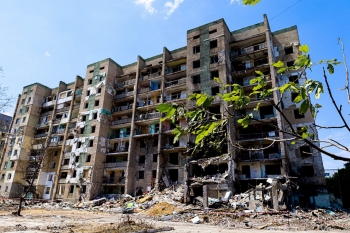
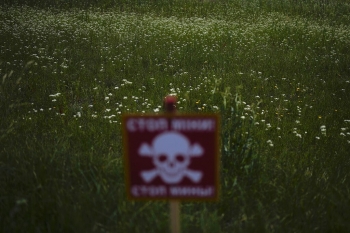
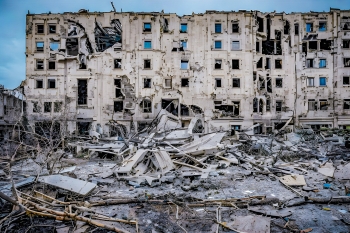
As full-scale war in Ukraine enters its fourth year, the need for sustained medical and mental health support remains greater than ever, requiring continued efforts like those of MSF close to the frontlines and beyond.
Strains on Ukraine’s medical services have only increased since Russian forces invaded Ukraine. Médecins Sans Frontières (MSF) - has had an influx of patients with war-related trauma in need of rehabilitation.
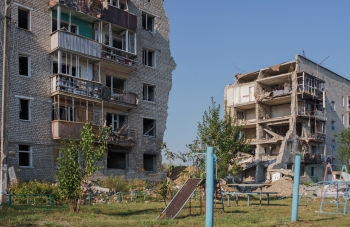
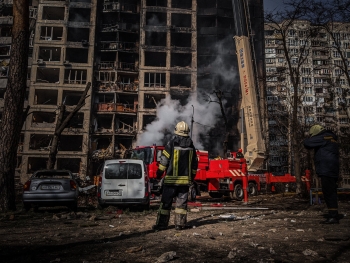
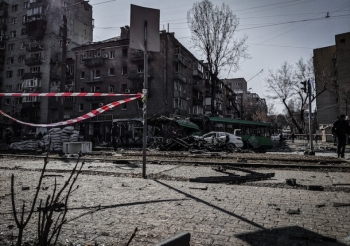
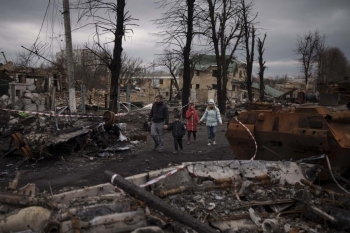
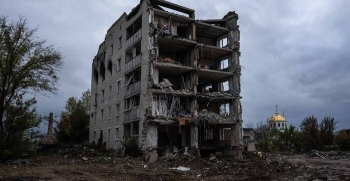
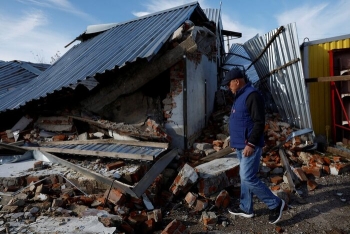
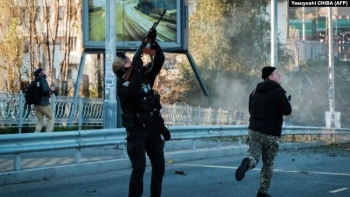
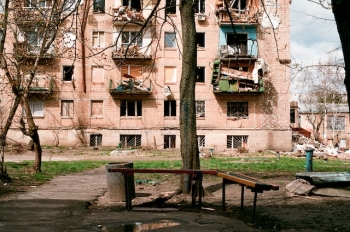
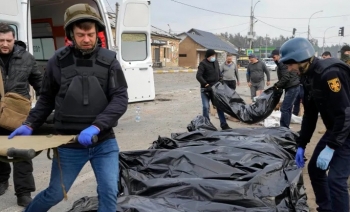
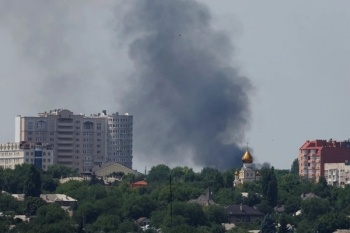
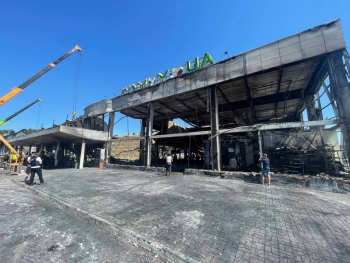
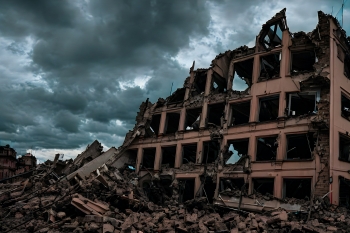
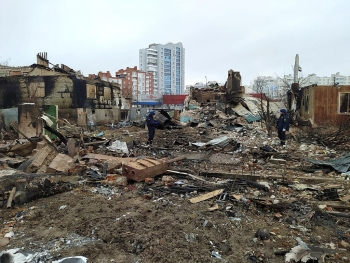
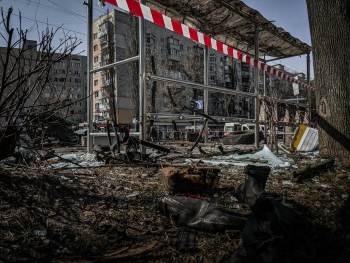
Drone and missile attacks have plagued Ukraine daily for three years, striking cities more than 1,000 kilometers from the frontline in dire cases. Ukraine’s healthcare system is under great pressure due to emergency responses and the needs of those affected by the war. Power cuts from attacks on energy infrastructure and treating patients in bunkers or basements have become normalized in Ukraine’s medical facilities. Thus, MSF operates ambulances and transfers patients from overcrowded/burdened hospitals near the frontline to medical facilities with greater capacity in central/western Ukraine. Throughout the past 3 years of attack, MSF ambulances have moved more than 25,000 patients, mostly consisting of individuals suffering war trauma.
Additionally, MSF operates early rehabilitation centers in Cherkasy and Odesa, providing post-operative physiotherapy, mental health support, and nursing care for victims of violent trauma. In 2023 and 2024, MSF treated 755 patients, with a 10% rise in post-operative leg amputation cases from one year to the next. In 2024, half of all patients were diagnosed with PTSD or depression, highlighting Ukraine’s pressing need for mental health support. MSF has also launched a PTSD-focused project in Vinnytsia to mitigate psychological ailments. MSF’s head of programs in Ukraine, Thomas Marchese, touched on the urgency required for the conditions in Ukraine, “Even if the war were to end tomorrow, hundreds and thousands of people would require years of long term physiotherapy, or counseling for post-traumatic-stress disorder.”
In 2024, MSF’s mobile clinics and ambulance teams near the frontlines saw a sharp rise in referrals for chronic illnesses like cardiovascular disease, diabetes, and cancer. These cases made up 24% of referrals in 2023, increasing to 33% in 2024. However, ongoing shelling and strikes make access to proper medical care unpredictable. Many patients with chronic conditions are elderly and have limited mobility, forcing people to take shelter in basements or bunkers.
As the war in Ukraine persists, MSF teams witness the worsening medical humanitarian crisis daily. Despite the resilience of Ukraine’s health system amid violence, the demand for sustained medical care/mental health support grows. MSF remains active in Ukraine, both near the frontlines and beyond, but greater support is needed.
By Samuel Mushailov
https://www.linkedin.com/in/sam-mushailov-143b782a8/