


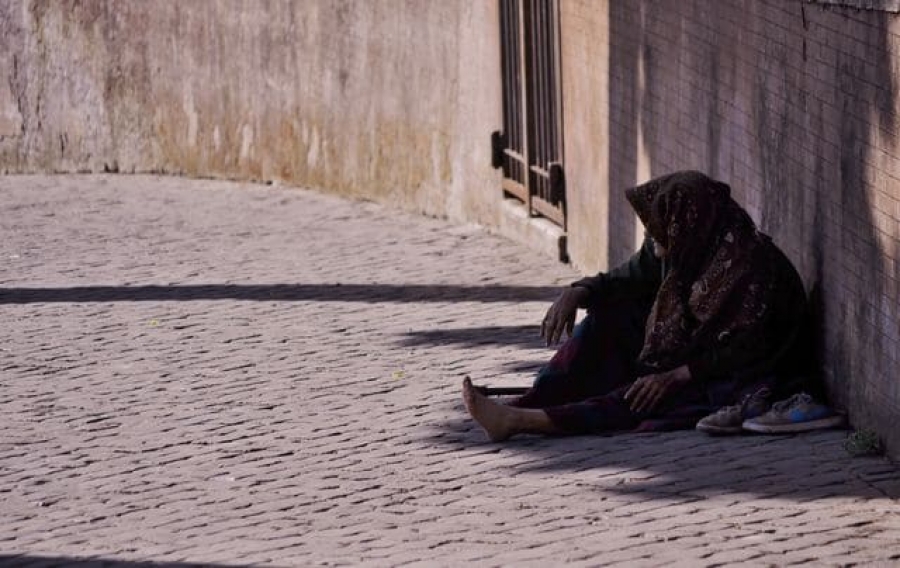
The right to development is severely compromised by growing inequality among different countries, according to the World Inequality Report 2026 and the United Nations Office of the High Commissioner for Human Rights (OHCHR).
Although the Declaration on the Right to Development was adopted by the United Nations in 1986 - 40 years ago - opportunities for growth and development vary greatly among countries around the world. Not everyone has the same opportunities: crises such as climate change, conflicts, pandemics and forced migration highlight and exacerbate these disparities, undermining countries’ capacities to respond and recover while placing the civilian population at disproportionate risk of losing access to basic rights, essential services, and opportunities for sustainable development.
A democratic and inclusive development system must necessarily reverse this trend and guarantee opportunities, rights, security, and development for those who bear the brunt of global crises in a highly disproportionate and unequal manner.
The lack of agreements among various states regarding their obligations, as well as the extremely limited international cooperation and the absence of effective political leadership, are serious obstacles to the full realization of the right to development.
On the fortieth anniversary of the Declaration on the Right to Development, the United Nations Secretary-General recently called for renewed global solidarity in a time of human inequality. The September 2026 meeting brought together global leaders and stakeholders to analyze the evolution of the right to development over the past forty years. Discussions also focused on ways to collaborate in order to reduce poverty and inequality, thereby increasing opportunities for millions of people to ensure full economic and social development.


