


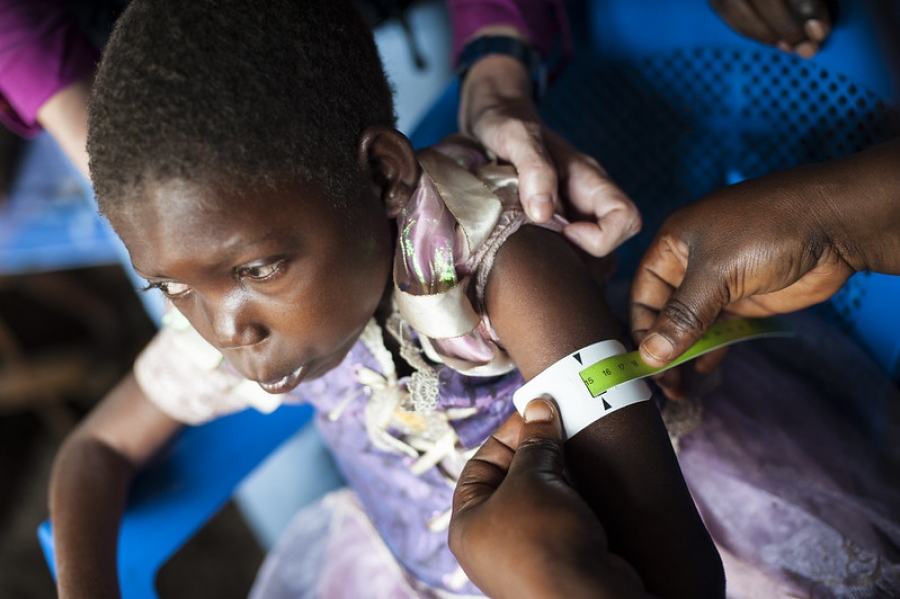
At the beginning of January the Country Director for DRC of Save the Children, Greg Ramm stated that the humanitarian workers cannot bring the help needed because the conflict has caused the blockage of many roads, forcing the teams to wait until the access is restored to intervene. The situation is worse in the eastern provinces of Ituri, North Kivu, and South Kivu, where millions of people, especially children, are facing famine conditions and acute food insecurity has increased. Moreover, since the increase in the attacks after January 2, 2025, around 100,000 people, with more than half are children, have been forced to leave their homes to find refuge.
The humanitarian crisis started in February 2024 due to the increase in the fighting between the two groups. The conflict has had a severe impact on civilians as since March 2024 the number of internally displaced people has been of 7.2 million, as reported by the UN.
The conflict in the Democratic Republic of Congo (DRC) started back in 1996. The origin of it is connected with the 1994 Rwandan Genocide. In fact, following the conflict in Rwanda, 2 million of Hutu crossed the border with Congo and settled in the refugee camps in North Kivu and South Kivu provinces. In December 2023, national elections were held and caused a clash between the military and the insurgents, respectively M23 and the Allied Democratic Forces (ADF), which has been fighting again since 2022. The first is the Tutsi rebel group who is connected to the Rwandan and Ugandan governments. The second is a militia group tied with ISIS.
International intervention is necessary not only to stop the conflict but to guarantee access of the assistance teams to those in need.
To read more, please visit:
- https://www.savethechildren.org/us/about-us/media-and-news/2025-press-releases/escalating-violence-in-drc-forces-children-from-their-homes
- https://www.cfr.org/global-conflict-tracker/conflict/violence-democratic-republic-congo
- https://www.unocha.org/publications/report/democratic-republic-congo/democratic-republic-congo-internally-displaced-persons-and-returnees-march-2024


