


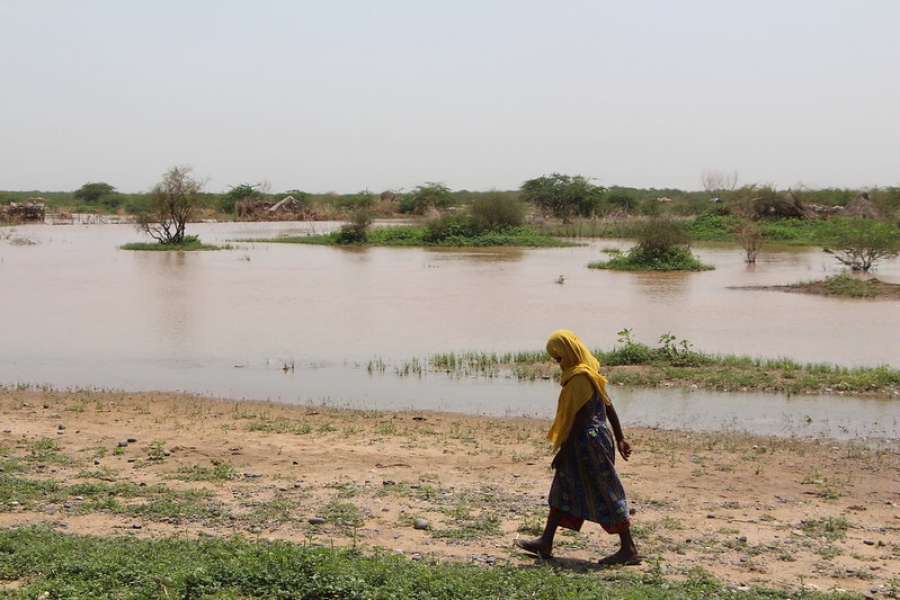
The report, entitled "“TO STEM THE TIDE: Climate Change, UNMISS, and the Protection of Civilians”, was written by the Center for Civilians in Conflict (CIVIC), an international organization dedicated to improving the protection of civilians affected by armed conflicts. CIVIC works with governments, international organisations and local actors to address civil damage. This publication reflects their experience in linking environmental challenges to the dynamics of conflict and protection.
The report is based on extensive research, including field work in South Sudan, interviews with staff of the United Nations Mission in South Sudan (UNMISS), local communities and civil organizations. The aim is to explore how climate change increases threats to civilians and how UNMISS, South Sudan’s peacekeeping mission, can adapt its strategies to mitigate these risks. In its report, CIVIC highlights the complexity of the intersection between environmental degradation, conflict dynamics and peacekeeping operations.
The report highlights three main challenges arising from climate change in South Sudan that affect UNMISS operations. First, the growing vulnerability in the African country is highlighted. Indeed, climate change intensifies resource scarcity, leading to increased tensions between communities. This in turn exacerbates conflicts over access to water and arable land, thus complicating UNMISS’s mandate to protect civilians. Moreover, this extreme situation is inevitably followed by operational tensions, as extreme weather conditions such as floods and drought prevent UNMISS from deploying personnel and providing humanitarian aid, In particular, in the most remote or conflict-affected areas. The emergence of new and evolving threats seems inevitable, the report says. Environmental change amplifies already existing, gruelling challenges, including the displacement and protection of civilians and competition for increasingly scarce resources, which require a dynamic approach to peacekeeping activities. Consequently, the report highlights the opportunity for UNMISS to integrate climate adaptation into its operations. Indeed, the report says, collaboration with local communities is needed to address resource management, promote sustainable practices and support resilient infrastructure.
The report concludes by stating that UNMISS needs to strengthen its capacity to address the now parallel relationship between climate change and conflict. Recommendations include different strategies, such as: incorporate climate risk assessments into its planning processes to improve its protection efforts; Community involvement to develop sustainable mechanisms for resource sharing and mitigate conflict factors. Finally, the allocation of resources: prioritising investments in infrastructure and logistical support to adapt effectively and economically. In conclusion, the report highlights how advocacy and policy alignment tools are strictly necessary to ensure that climate-related risks are addressed in broader peace and security programmes.
To read more, visit:
- Center for Civilians in Conflict Report.
- P. Janig, A. Hofbauer C. Binder, Peacekeeping in the Anthropocene: the Effects of Climate Change and Positive Human Rights Obligations in ‘Protection of Civilians’ Mandate.
- Rokon residents alarmed by conflicts and other consequences of climate change, UNMISS
- Photo: https://flic.kr/p/LMcVqX
- Credits: EU Civil Protection and Humanitarian Aid
- Description: Sudan, between climate and conflict


