


As of April 2, cholera outbreaks in South Sudan have killed an estimated 799 people, with over 40,000 confirmed cases reported across 40 counties in nine states. The factors fueling the outbreak include unsafe drinking water, improper sanitation, and insufficient access to oral cholera vaccines. The burden of this crisis falls disproportionately on South Sudanese women and girls, who are typically responsible for caregiving within their households. Their roles require close contact with sick family members and compel them to travel long distances to collect water, often from unsafe sources, exposing them to both infection and heightened risk of sexual and gender-based violence in conflict-affected areas.
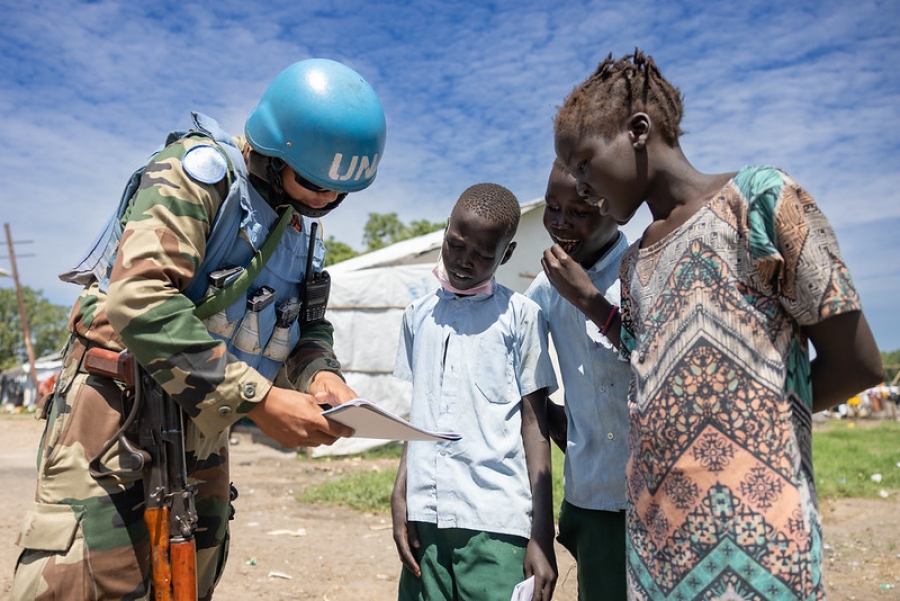
The spread of cholera in South Sudan has been exacerbated by escalating conflict, displacing tens of thousands and forcing many to seek refuge in neighboring Ethiopia’s Gambella region. Although the South Sudan Civil War formally ended in a ceasefire, renewed intercommunal violence has reignited instability and prompted the deployment of peacekeepers. In 2025, political violence sharply escalated, with clashes between the South Sudan People’s Defense Forces (SSPDF) and the SPLA/IO, led by Vice President Machar, spreading from Western Equatoria to Upper Nile. The situation was exacerbated following airstrikes by the SSPDF on February 25 and the March takeover of a military base in Nasir, which led to arrests of opposition figures and Machar’s effective house arrest. Consequently, an estimated 100,000 people have been displaced in Upper Nile alone.
MSF (Médecins Sans Frontières) is working along the Ministry of Health to treat 560 cholera patients arriving in Ethiopia since March. Currently, its initiatives include “oral rehydration points and conducting water, sanitation, and hygiene and community-based activities including door-to-door cholera awareness and water purification efforts, reaching over 5,000 people across multiple locations” (MSF). Additionally, MSF has treated over 160 individuals injured from the conflict during while fleeing South Sudan.
While Ethiopian support has remained rather sustainable, the ongoing conflict in South Sudan continues to drive a growing number of victims across the border, placing increasing strain on Ethiopia’s capacity to host refugees. Additionally, this crisis unfolds amid significant reductions in donor funding to both South Sudan and Ethiopia, including recent cuts by USAID. While MSF does not directly receive U.S. government funding, these reductions in humanitarian and health aid threaten to severely limit the capacity of other organizations to respond effectively. Thus, Zakaria Mwatia—MSF head of mission in South Sudan—urges “donors to allocate emergency funds for emergency response in South Sudan and neighbouring Ethiopia amid this escalating crisis.”


