Web Review
L’Osservatorio monitors the web and other information sources daily to provide in-depth news on the impact of contemporary armed conflicts on civilians.
13 August 2025
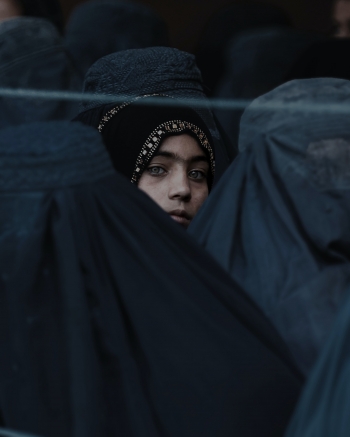
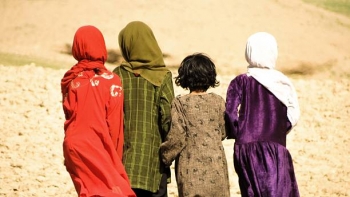
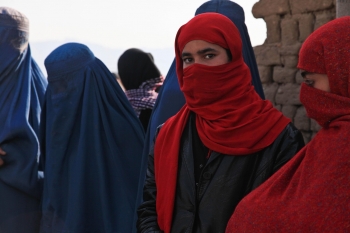
Afghan women and girls returning from Iran and Pakistan face poverty, violence, and an uncertain future in their homeland.
The influx of Afghan women and girls returning from Iran and Pakistan is shedding light on an increasingly deep humanitarian crisis in Afghanistan, worsened by restrictions imposed by the Taliban regime and cuts in international support.
According to a joint report by UN Women and CARE International, more than 2.43 million Afghans have returned to the country between September 2023 and today, with women and girls representing around one-third of returns from Iran and half of those from Pakistan. Many have never lived in Afghanistan before and return without housing, income, education, or access to healthcare.
The challenges they face are severe: extreme poverty, risk of early marriage, violence, exploitation, and harsh restrictions on their rights and freedom of movement. Many live in temporary or precarious housing: only 10% of women-headed households have stable accommodation, while nearly 40% fear eviction. Moreover, all girls are banned from secondary school.
Female humanitarian workers play a crucial role in assisting returnees, as they are often the only interlocutors accepted by Afghan women. However, their work is hindered by mobility restrictions: they must be accompanied by a mahram (male guardian), but funding to ensure this accompaniment has been drastically reduced in the provinces of Kandahar and Nangarhar, making support irregular or entirely absent.
In addition to logistical difficulties, the Taliban have reportedly tortured and threatened some returnees from Iran and Pakistan, targeting them based on gender, orientation, or political affiliations. Furthermore, the United Nations has stressed that the return of over 2.2 million refugees is a crucial factor for social cohesion and peace in Afghanistan, but also a growing source of tension if not accompanied by effective measures.
In summary, the mass return of Afghan women requires an urgent and targeted response: strong international support is needed to ensure safe housing, livelihood opportunities, education for girls, and to strengthen the role of female aid workers in the most vulnerable communities.
To read more, please visit:
20 July 2025
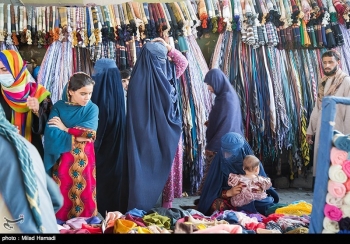
Forceful returns of Afghan nationals threaten to overwhelm already-fragile support systems and place refugees in a dangerous humanitarian situation.
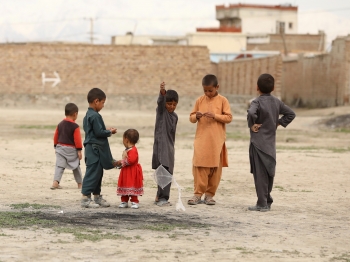
In 2025, more than 1.9 million Afghans have returned to a drought-afflicted Afghanistan, thousands of whom are unaccompanied children. In the country, 70% of the population lives in poverty, and access to basic services and social protections remain severely constrained. Under the Taliban, women’s rights continue to be violated, including bans impacting employment, higher education, and freedom of movement. Humanitarian operations are also dangerously underfunded, often forcing civilians to choose between food, shelter, and safe passage.
This mass return has been facilitated by deportation policies in Iran and Pakistan, as well as threatened or actual forced returns from other countries. Since the onset of the Israel-Iran war, forced returns of Afghan nationals have escalated, even for those with valid documentation. More and more States are considering deportation or forceful return of Afghan nationals, and some have halted or suspended resettlement programmes. This creates a severe risk for vulnerable Afghans, even those whose cases have previously been approved for resettlement.
Currently, Afghanistan is not a safe country for returnees due to the constantly deteriorating human rights situation. In 2021, the Taliban took over Afghanistan, causing many women to flee the country. Under the new Afghan government, it is prohibited for girls to study beyond sixth grade. Women are banned from holding most jobs, going to public spaces such as parks, and traveling long distances without a male companion. There are specific categories at risk of serious harm if they are forced to return to Afghanistan, including LGBTQ and gender-diverse civilians; former security and government officials, including judges and prosecutors; religious and ethnic minorities; and those who are critical of Taliban policies, such as human rights defenders and journalists. More than four million Afghans have been internally displaced as a result of disasters and conflict.
There is currently a strong need for an increased humanitarian response for Afghanistan. Host countries must also address the international protection needs of the population. The speed and scale of the forced returns are overwhelming already fragile support systems, with tens of thousands of people crossing the border daily relying on insufficient humanitarian aid. Without international support, the situation will continue to escalate at a dangerous rate.
Di Megan Xing