


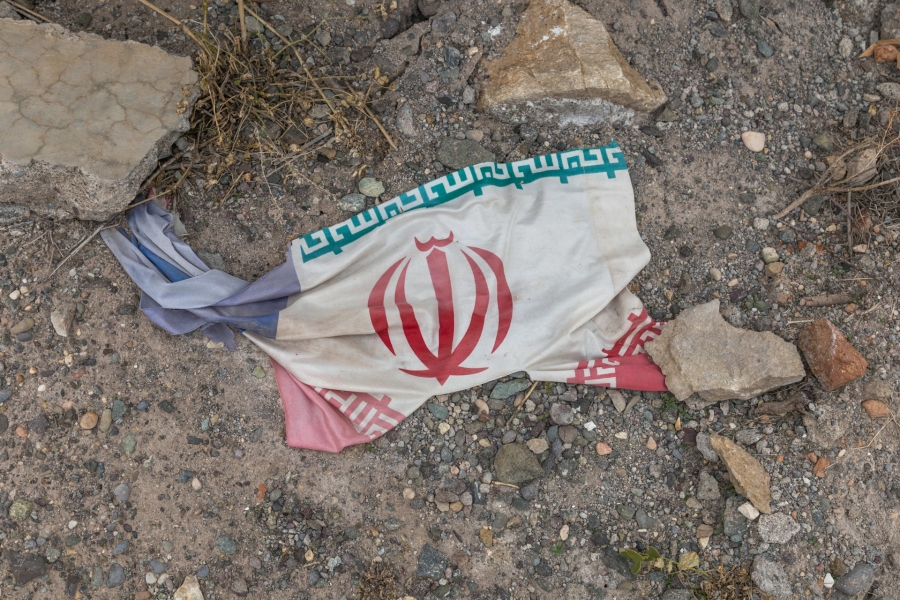
On 25 April, United States President Donald Trump cancelled a planned diplomatic mission to Pakistan aimed at advancing indirect talks with Iran. While the truce, established after weeks of US and Israeli strikes and Iranian retaliation, has largely held, the move signals a renewed impasse in efforts to stabilise a fragile ceasefire.
Beyond stalled diplomacy, the most severe consequences of the conflict are affecting civilian populations across the region. Civilians face a convergence of humanitarian and environmental crises that are likely to persist long after active hostilities subside.
Direct violence has already inflicted a significant civilian toll, with more than 1,700 reported deaths, including around 250 children. Moreover, the destruction of healthcare infrastructure has further compounded the crisis, limiting access to emergency treatment and essential services for both acute injuries and chronic conditions. Since early March, the World Health Organisation (WHO) has reported around 150 attacks on health centres, resulting in at least 100 deaths among medical staff and injuring more than 230.
At the same time, the war has triggered widespread environmental damage with immediate and long-term implications for human health. Airstrikes on oil refineries, industrial facilities, and urban areas have released large quantities of toxic pollutants into the atmosphere. Exposure to these hazardous particles has led to acute respiratory symptoms and is expected to increase long-term risks of cancer, cardiovascular disease, and neurological disorders. The targeting of industrial and energy infrastructure has resulted in toxic residues seeping into soil and water systems, threatening agricultural production and access to safe drinking water. These impacts are particularly severe in a region already affected by prolonged drought and water scarcity.
Reported strikes on desalination facilities and power plants critical for water production across the Gulf have heightened concerns over access to potable water for millions. In a region where a large share of the population depends on desalinated water, even limited disruption can have immediate humanitarian consequences, including dehydration, food insecurity, and the spread of disease. According to the World Food Programme (WFP), an estimated 45 million people will suffer from acute hunger if the war continues.
In nearby Lebanon, more than 120,000 people remain displaced in shelters across the country, despite a 10-day ceasefire which allowed tens of thousands of families to begin returning. However, ongoing military presence and continued violations of the ceasefire fuel instability, with at least 74 localities still considered unsafe.
The burden of these overlapping crises falls disproportionately on the most vulnerable groups, including children, the elderly, and those with pre-existing health conditions. Women and girls face additional risks, particularly in contexts of water scarcity, where access to sanitation and basic services becomes more limited, with broader implications for health, education, and safety.
Ensuring that the ceasefire holds and advancing efforts toward a durable end to hostilities will be crucial. Yet without immediate action to rebuild health systems, safeguard water infrastructure, and contain environmental damage, civilians will continue to bear the consequences of a conflict that extends far beyond the battlefield.


