


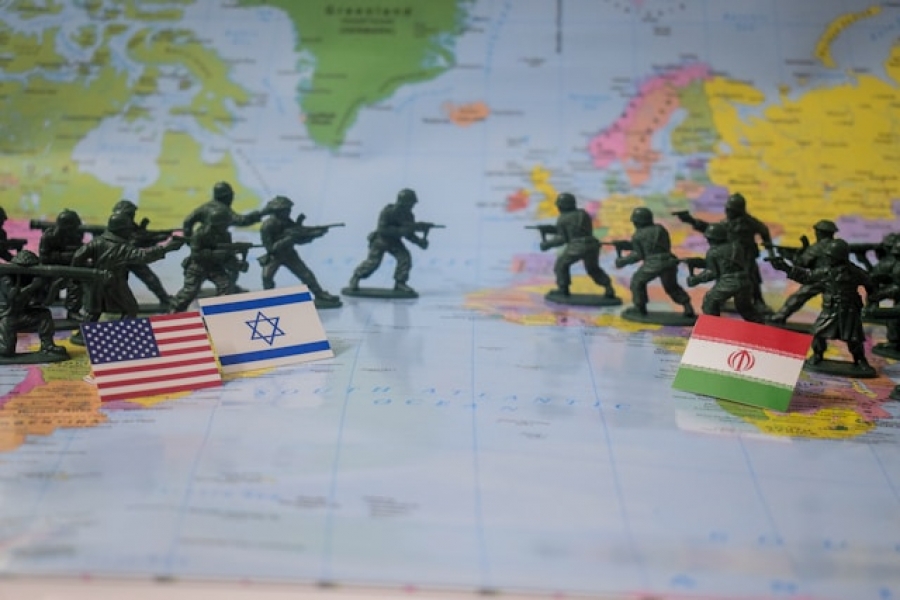
The US and Israeli airstrikes reportedly targeted Iranian military sites and leadership positions, while Iran responded with drones and missile attacks, causing explosions across Israel and the Gulf countries. Mr. Guterres called for immediate cessation of hostilities and warned that failure to de-escalate risks a wider conflict with severe consequences for civilians and regional stability.
The international community responded firmly and clearly. UN High Commissioner for Human Rights Volker Türk stressed that bombs and missiles are not the way to resolve differences and that civilians inevitably “end up paying the ultimate price,” while WHO Director-General Tedros Adhanom Ghebreyesus urged leaders to “choose the challenging path of dialogue over the senseless route of destruction,” and UN General Assembly President Annalena Baerbock highlighted that the UN Charter obliges all Member States to resolve disputes peacefully, without endangering international peace, security, or justice.
Human Rights Watch also raised serious concerns over potential violations of international humanitarian law by all parties involved in the conflict. The organization highlighted recent US policy changes under the administration of Donald Trump. These include the dismissal of top military lawyers and the rollback of legal oversight mechanisms. Civilian harm mitigation was omitted from the 2026 US National Defense Strategy. In addition, restrictions on antipersonnel mines were lifted, and the US agreed to purchase cluster munitions from Israel, weapons inherently harmful to civilians. Such measures have reduced constraints on military operations and placed civilians at greater risk.
Similarly, Israeli military actions in Gaza, Lebanon, Yemen, and Iran demonstrate repeated breaches of the laws of war. These include indiscriminate strikes, attacks on civilian infrastructure, and the June 2025 assault on Evin prison in Iran.
Iranian authorities have also failed to adequately protect civilians during hostilities, conducting indiscriminate ballistic missile attacks, shutting down internet access, and arbitrarily detaining thousands of people during internal protests, leaving detainees at risk of torture and extrajudicial executions.
Human Rights Watch emphasized that all parties must prioritize the protection of civilians and fully respect both international humanitarian and human rights law, underlining that adherence to these obligations is crucial to prevent further suffering and safeguard the civilian population from the devastating consequences of armed conflict.
by Alessandro Contino


