


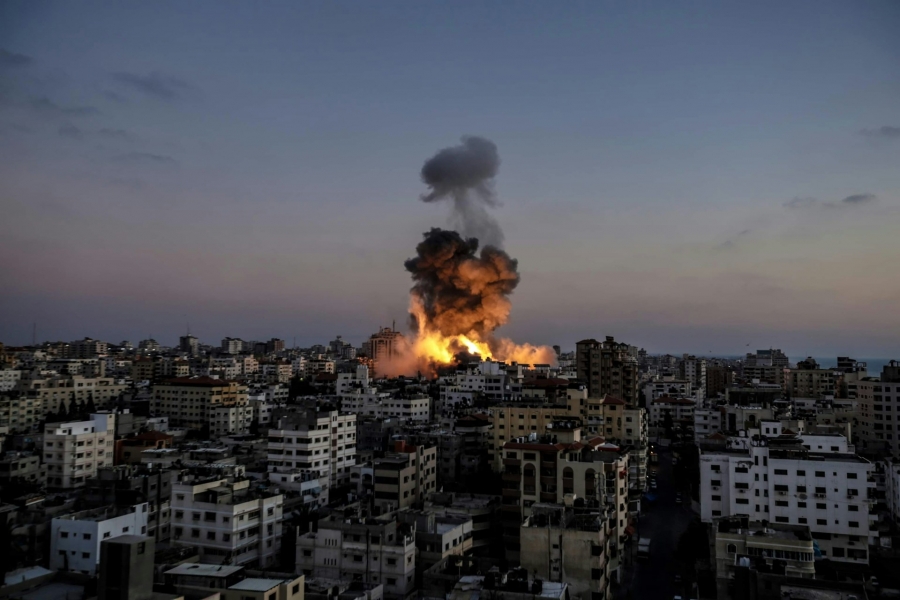
UN Spokesperson Stéphane Dujarric reported that hostilities in parts of the Gaza Strip are still resulting in casualties and repeated disruptions to humanitarian operations. On Tuesday, the UN and its partners coordinated eight planned humanitarian movements inside Gaza with Israeli authorities. Only one movement was facilitated, while seven were impeded, denied or cancelled.
Gaza’s health system remains extreme fragile. Only half of Gaza’s hospitals are partially operational and there are still no fully functioning hospitals following two years of systematic attacks on healthcare by the Israeli military. The Ministry of Health in Gaza reported essential medicine shortages exceeding 56% and medical supplies shortages above 65%.
Dr Majd Awadallah, Medical Director of PFBS, said: “We have a shortage of everything: space, facilities, staff, medicines and medical supplies. These problems are unsolvable without opening the crossings and allowing the unconditional entry of essential materials, especially medicines. How can a hospital operate in surgical and maternity cases without cleaning materials?”
The UN and its partners are ready to scale up operations immediately if restrictions are eased. Mr. Dujarric emphasized, “We once again call for unimpeded humanitarian access so that teams can reach everyone they need. We and our partners can do much more as soon as restrictions on relief items and aid groups are lifted.”
Meanwhile, approximately 350,000 people in Gaza live with chronic medical conditions, including over 1,100 patients dependent on kidney dialysis. Without urgent and sustained aid, many more avoidable deaths and widespread deprivation are expected.


