


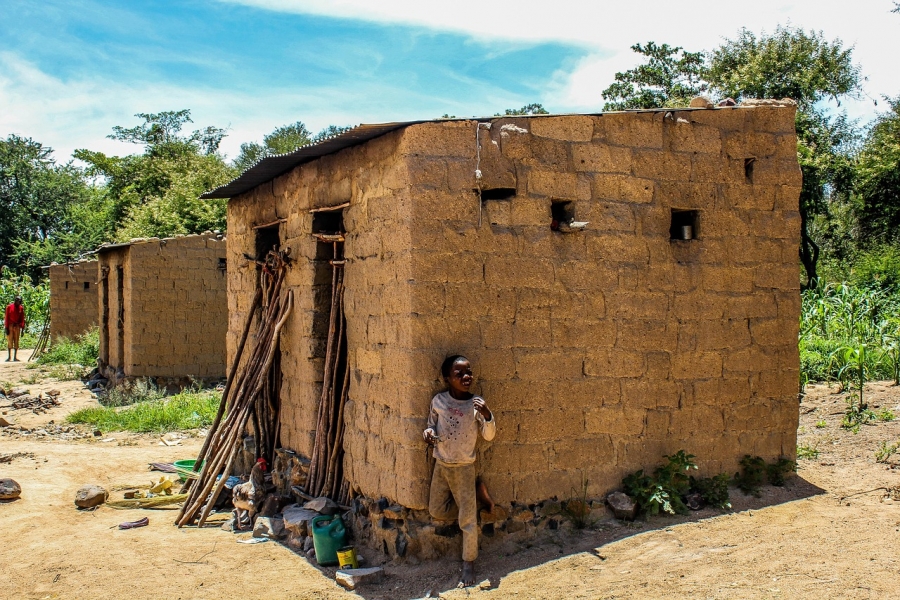
In mid-November, renewed attacks in the northern province of Cabo Delgado displaced over 100,000 people, according to the UN Refugee Agency (UNHCR).
Since 2017, northern Mozambique has been plagued by escalating violence at the hands of extremist fighters affiliated with the Islamic State, displacing over 1.3 million people. However, the situation has deteriorated rapidly in recent months, with a surge in attacks by armed groups targeting schools, churches, and burning homes. The province of Cabo Delgado, on the border with Kenya, has been hit the hardest, accounting for over 98% of the 151,000 people displaced between January and September 2025. In recent weeks, violence has spread to the neighbouring provinces of Niassa and Nampula, which until recently had been spared from the conflict. The spread of violence has also reached neighbouring households that had previously been providing shelter to displaced families.
This sudden influx has placed significant pressure on already strained host communities, which are now also affected by the activities of the armed groups.
Those forced to flee have sought shelter in schools, churches, and other open spaces that have now become overcrowded. At the same time, the lack of lighting and privacy increases the vulnerability of women and girls, exposing them to heightened risks of sexual and gender-based violence. Older individuals and people with disabilities face additional challenges accessing basic services and facilities, many of which are not equipped to meet their needs. Many children, already traumatised and exhausted by their experiences, arrive unaccompanied and find themselves alone in unfamiliar environments, leaving them more vulnerable to exploitation and abuse.
Help desks have been established to provide counselling and mental health support, assisting displaced families whenever possible. However, humanitarian teams on the ground are struggling to reach those most at risk, reunite families, and deliver essential relief. Their efforts are further hindered by operational constraints, including the temporary suspension of humanitarian flights to several areas in the affected provinces and difficult road conditions that slow down intervention.
For these reasons, coordination and engagement with security actors, including through negotiations and information management, will be essential to provide adequate support and deliver timely, life-saving assistance.
The scale of the latest surge in violence means that efforts to provide protection and assistance efforts continue to struggle to keep pace with the growing needs. While adequate support is becoming increasingly urgent,only about half of the $42.7 million required for 2025 has been effectively delivered. UNHCR’s Mozambique Representative, Xavier Creach, has called on the international community to urgently step up humanitarian assistance. In 2026, nearly $40 million will be needed to meet rising needs and prevent further deterioration of the crisis. At the same time, it will be crucial to address the underlying drivers of the violence, to ensure lasting stability and allow displaced families to return home.


