


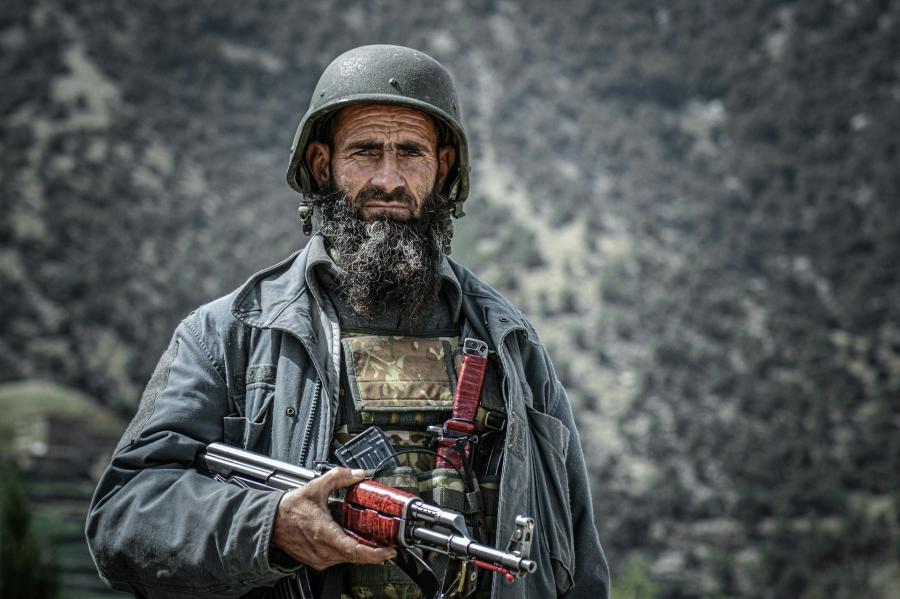
Tensions between Pakistan and Afghanistan have been rising in 2025, culminating in October 2025, with the deadliest attacks since 2021. The new Taliban government in Afghanistan was initially happily welcomed by Pakistan, but support faltered in the last years, bringing back old tensions. On one hand, the Taliban government is accusing Pakistan of conducting raids in Afghan territory, while Pakistan accuses Afghanistan of hosting violent extremist militant groups. Escalation of attacks on the border from both sides has produced dozens of civilian victims. The climate of violence, impediments to the freedom of movement, forced migrations and increased mortality highlight a difficult, multifaceted crisis.
Furthermore, the real death toll is uncertain, due to the impossibility of verifying independently the declarations of Pakistan and Afghanistan, strategically manoeuvred.
The humanitarian crisis on the border is exacerbated by the expulsion from Pakistan of millions of Afghan refugees. In the period 2023-2025, Pakistan expelled more than 1.5 million Afghans, putting them in a difficult and precarious situation. UNHCR declared that Pakistan is violating principles of international law (such as non-refoulement) and urges the cessation of said action.
The ceasefire agreement was signed in Doha on 19th October, but proved itself ineffective. On 30th October, another week-long truce was agreed, while both parties prepare the grounds for the peace treaty. Negotiations mediated by Qatar and Turkiye have been difficult due to accusatory declarations from both parties, but Pakistan and Afghanistan declare openness to permanently cease conflict. Talks for an effective solution will be held on 6th November, while civilians face a situation of heightened fear and insecurity.


