The UN Office for the Coordination of Humanitarian Affairs (OCHA) reported that a series of attacks by armed groups in July led to the displacement of tens of thousands of individuals in northern Mozambique. The rise in violence comes on top of the overlapping crisis of climate change, disease outbreaks, and insufficient funding, which have already displaced more than 95,000 people since the beginning of the year.
This latest surge in displacement adds to years of instability in the region, where more than 1 million people have been uprooted since violence first erupted in 2017. The Cabo Delgado province has been the hardest hit. According to OCHA, between 20 and 28 July, armed groups assaulted the districts of Chiúre, Ancuabe, and Muidumbe, forcing at least 46,600 people to flee, including a worrying number of unaccompanied children or children separated from parents or guardians, as reported by humanitarian agencies. Such children face heightened risks of violence, exploitation, and abuse by non-state armed groups.
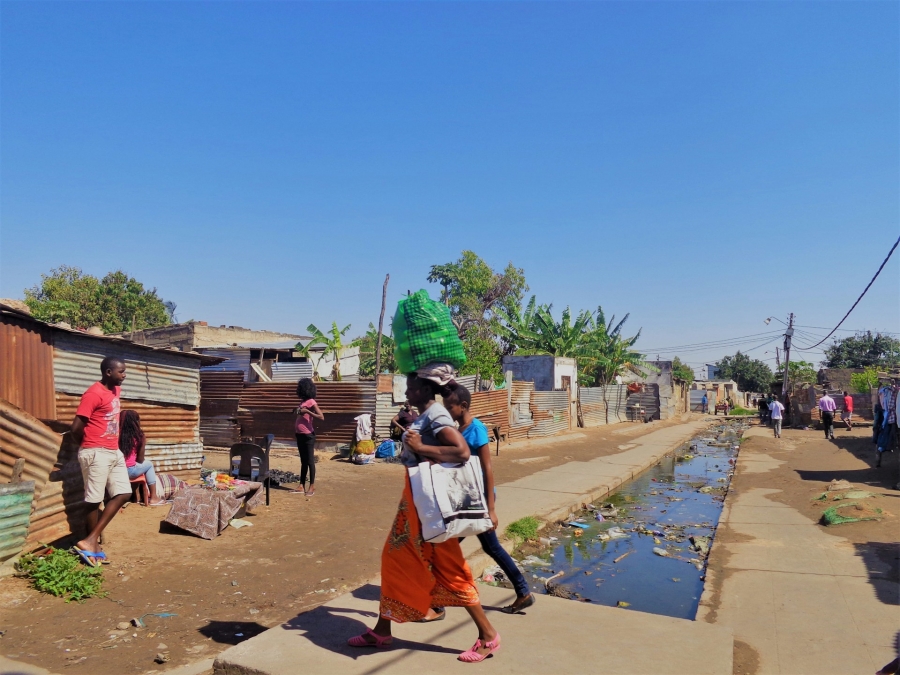
The latest displacements follow earlier movements linked to insecurity in Macomia and Mocímboa da Praia. The families that had to leave their households have been forced to find shelter in overcrowded neighbourhoods, putting additional pressure on communities and already strained resources. Food, essential non-food items, and water and sanitation facilities have emerged as the most urgent needs.
Similarly, the security situation in Ancuabe district has sharply deteriorated. The International Organisation for Migration (IOM) reported that the number of displaced families nearly tripled in just one week. In Muidumbe district, armed fighters set several houses ablaze, forcing around 500 families to flee to neighbouring areas.
OCHA warned that the widespread violence and recurring attacks are complicating both return and resettlement efforts. Insecurity, lack of civil documentation, and involuntary relocations are severely undermining the ability of displaced people to move freely and access basic services.
Meanwhile, the humanitarian response is constrained by a critical shortage of funding. As of July, less than 20% of the 2025 national Humanitarian Response Plan had been funded, with only $66 million received of the $352 million requested. This has forced aid agencies to scale back their targets by over 70%, with the current plan aiming to assist only 317,000 people, down from the original goal of 1.1 million.
Ilaria Manunza, Country Director in Mozambique for Save the Children, stressed that children’s needs are growing fast, outstripping available resources. OCHA emphasised the pressing need for adequate funding to prevent further deterioration of the crises and a potential escalation of insecurity. Humanitarian assistance remains vital to ensure that thousands of individuals can receive food, shelter, and protection they so urgently require.
To read more, please visit:
- https://news.un.org/en/story/2025/08/1165560
- https://reliefweb.int/report/mozambique/mozambique-new-displacements-due-nsag-attacks-situation-report-1-chiure-ancuabe-and-muidumbe-districts-cabo-delgado-1-august-2025
- https://crisisresponse.iom.int/node/1959146/year/2024?utm_source=chatgpt.com
- https://www.savethechildren.net/news/more-30000-children-displaced-heavy-fighting-northern-mozambique-save-children


