


21 July 2025
The south-west monsoon causes devastating civilian impact in the Punjab province through death, injury, and mass destruction of infrastructure.
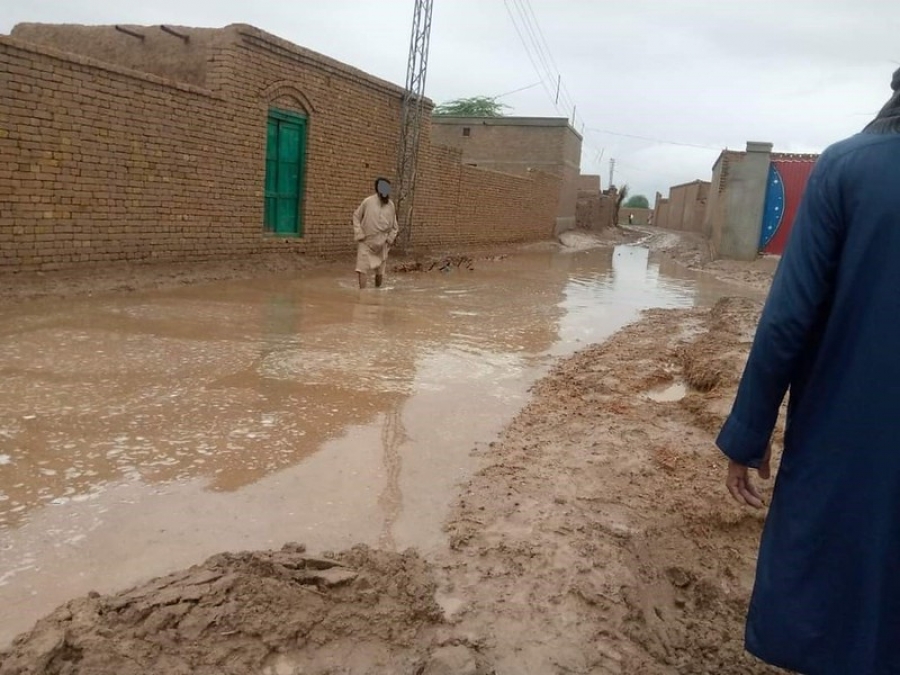
On 17 July 2025, Pakistan’s monsoon emergency grew more urgent, with disaster zones declared across parts of eastern Punjab. Over the course of 24 hours, lethal cloudbursts and flash floods resulted in at least 63 casualties and 290 injuries. This raised the nationwide toll since the beginning of the seasonal rains on 26 June to over 120 fatalities. The current crisis has had immense damage on Pakistan, with rising rivers, the severance of transport links, and the collapse of fragile rural homes. Weather forecasters have warned of exceptionally high flood levels of up to 450,000 cusecs (cubic feet) of water at some locations along the Jhelum River.
The south-west monsoon has had devastating effects on civilians, particularly in the Punjab province. Most of the casualties, more than half of them children, were a result of collapsing buildings, drownings, or electrocutions. Rivers have swept away small dams, and the military used helicopters to evacuate people who are surrounded by water. The floods have also closed several important roads throughout Punjab and have resulted in the cancellation or delay of dozens of flights.
On Thursday, Chief Minister Maryam Nawaz said that a state of emergency had been declared in several areas. Residents living in low-lying areas near the Nullah Lai, a swelling river that runs through the city of Rawalpindi and neighbors the capital Islamabad, were ordered to evacuate due to a sharp rise in water level. Furthermore, aid supplies are currently far below the projected need, with certain necessities for protection, nutrition, shelter, and non-food items facing severe shortages.
Pakistan, which is home to more than 250 million people and 13,000 glaciers, is among the countries most vulnerable to climate change. It faces two major weather systems: one causes high temperature and drought, and the other brings monsoon rains. Excessive heat has accelerated the melting of Pakistan’s glaciers, simultaneously increasing the risk of floods and infrastructure damage and creating a serious threat to land, water security, and life. The current crisis underscores just how critical international assistance and cooperation on climate change has become.
Di Megan Xing


