


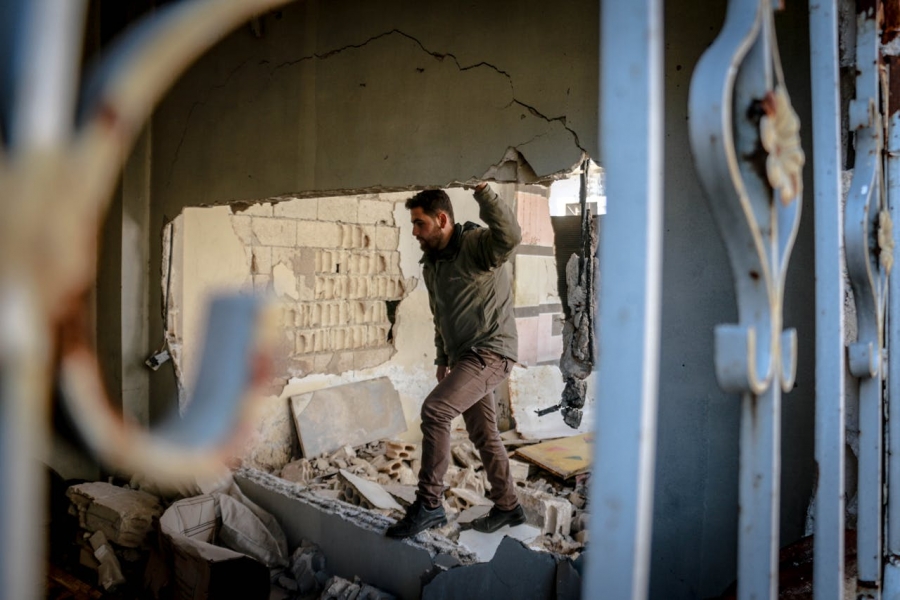
The Israeli attack on military targets in Damascus on July 16 marks a new chapter in Syria's post-Assad instability. Officially justified by the desire to protect the Druze minority in the Sweida region, the bombing also struck government convoys in the south of the country, sparking panic in the capital and injuring at least 13 people. The Israeli army has stated it will continue to target Syrian regime forces until their withdrawal from the area, while reinforcements have been deployed along the border.
The crisis unfolds within an already explosive context: violent clashes are ongoing in Sweida between Druze militias and Sunni Bedouin tribes, escalating into reprisals, summary executions, and the burning of civilian homes. The Syrian government accuses Druze groups of violating the truce, but local testimonies speak of indiscriminate attacks against the population. Videos circulated online document public humiliations and war crimes by both sides.
The Druze community, historically a minority and often exploited, now finds itself caught between fear of post-regime reprisals and isolation. Israel presents itself as a protector, but its actions also appear motivated by strategic interests in southern Syria.
With over 250 dead (data from the Syrian Observatory for Human Rights) and intermittent communication in the affected areas, the escalation in Sweida demonstrates that Assad's fall has not brought stability. Syria remains a fragile land, where old sectarian grievances and new power balances risk plunging the country into a new spiral of violence. Civilians, once again, are paying the highest price.
To learn more:
https://www.radiobullets.com/rubriche/israele-bombarda-damasco-e-minaccia-di-continuare/


