In fiscal year 2022, the United States provided foreign aid to nearly 88% of countries around the globe, with Ukraine receiving the most at $11.2 billion USD. Other nations (in order of most to least aid received) include Afghanistan, Iraq, Israel, and Egypt. In 2024, the US Government funded around 47% of the global humanitarian appeal across the world last year.
On Monday, January 20th, United States President Donald Trump issued an executive order halting worldwide foreign aid for 90 days, leaving future decisions regarding foreign assistance up to Secretary of State Marco Rubio. In response, Rubio issued a statement to U.S. embassies worldwide aligning with Trump’s executive order. He argued that any relief the United States provides must benefit the US in return by making it “safer”, “stronger”, and “more prosperous.” Though Rubio exempted emergency food programs from the order—such as those helping the famine in Sudan—he failed to incorporate crucial exemptions for other life-saving programs.
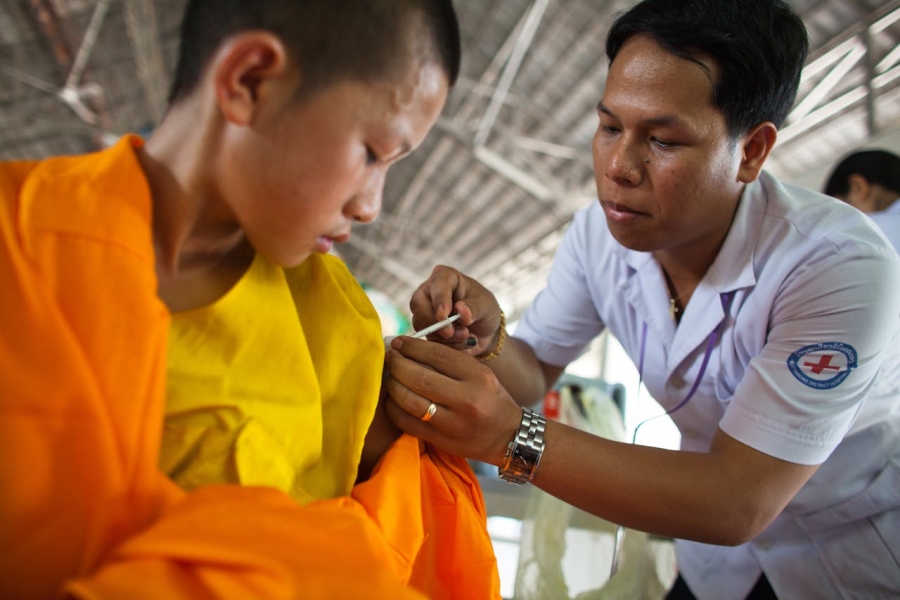
In 2023, the U.S. global health funding was $12.9 billion USD. This is primarily due to the fact that the United States is one of the leading distributors of immunizations globally, providing support to nations to control deadly diseases such as polio, tuberculosis, and malaria. Moreover, with advancements in HIV prevention such as Pre-Exposure Prophylaxis (PrEP) with 99% protection rates, new HIV infections have been reduced by 60% (roughly 2-3 million cases) since its peak in 1995.
In light of President Trump and Rubio’s spending freeze, the nation’s anti-HIV program—implemented by former President George W. Bush in 2003—will no longer be funded for programs in other nations.PEPFAR has historically received bipartisan support across ten U.S. congresses and four presidential administrations, contributing over $100 billion to global HIV/AIDS efforts and reportedly saving over 25 million lives while preventing millions of infections. (PEPFAR). With this policy change, access to HIV medications, cervical cancer screenings, PrEP (except for pregnant women), and services for orphans and vulnerable children in middle to low-income countries is expected to decline, potentially increasing health risks for affected populations.
The recent suspension of U.S. foreign aid funding has raised concerns about potential impacts on global reproductive healthcare services. The Guttmacher Institute estimates that over the course of the 90-day review period, approximately 11.7 million women and girls will be denied essential contraceptive care, potentially leading to 4.2 million unintended pregnancies and 8,340 deaths from complications during pregnancy and childbirth.
In Afghanistan alone, the absence of U.S. aid will leave 1.7 million people, including 1.2 million Afghan refugees, without access to essential sexual and reproductive health services due to the closure of over 60 health facilities. Without these critical resources, experts estimate an increase of 1,200 maternal deaths and 109,000 unintended pregnancies over the next three years, exacerbating the humanitarian crisis.
Additionally, according to a report from Andalu Anjansi, the spending freeze has the potential to affect reproductive healthcare access for nearly 600,000 people in Bangladesh, including Rohingya refugees. The United Nations Fund for Population Activities (UNFPA) further warns of disruptions to maternal health services, while the International Centre for Diarrhoeal Disease Research in Bangladesh has already laid off over 1,000 employees due to lost USAID funding. Analysts caution that the cuts could destabilize Bangladesh’s healthcare system, exacerbating maternal and child health challenges.
Therefore, the discontinuation of federal funds for foreign healthcare services has drastic, long-term effects, while President Donald Trump and his cabinet continue to work to reduce foreign aid.
Currently, Pio Smith from the UN’s sexual reproductive health agency has called for the U.S. to reconsider its decision and remain a leader in global aid efforts with no response from the U.S. He argues that the U.S. government's decision to suspend foreign aid not only jeopardizes the health and stability of vulnerable populations worldwide but also undermines decades of bipartisan progress in global health and humanitarian efforts, leaving millions at risk while diminishing America's role as a leader in international relief.
To read more, please visit:
- https://apnews.com/article/trump-foreign-aid-9f5336e84c45a6e782fa95f60a919f47
- https://apnews.com/article/state-department-trump-foreign-aid-bf047e17ef64cb42a1a1b7fdf05caffa
- https://news.un.org/en/story/2025/02/1159746
- https://www.guttmacher.org/2025/01/family-planning-impact-trump-foreign-assistance-freeze