


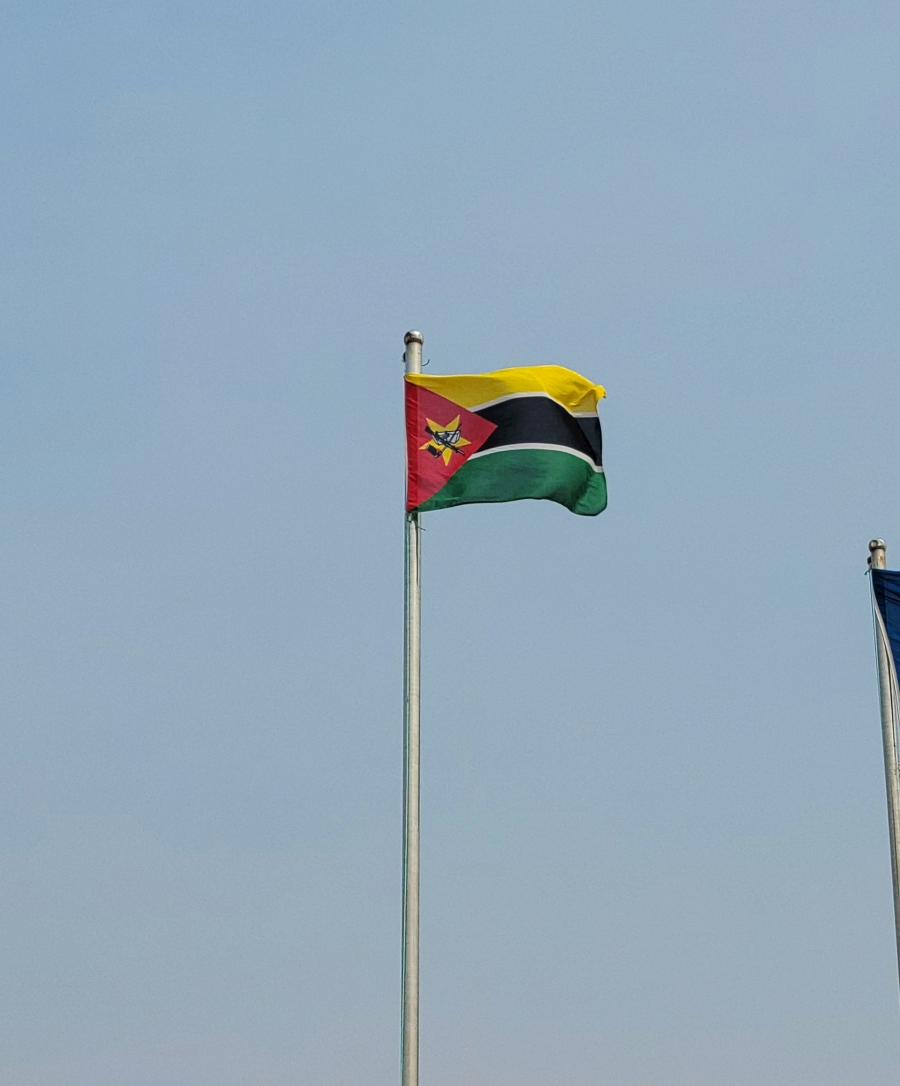
Humanitarian crises do not affect everyone in the same way. In Cabo Delgado, northern Mozambique, where conflict has displaced more than 1.3 million people, the impacts of violence and instability are deeply gendered. While all communities are suffering, the recent Rapid Gender Analysis (RGA) by Plan International shows that women, men, boys, and girls are experiencing the crisis in different ways. Understanding these dynamics is key to formulating an effective and equitable humanitarian response and ensuring no one is left behind.
In this sense, the study, authored by Nina Yengo (Plan International) and Aurore Souris (UN Women), aims to provide evidence-based insights to guide humanitarian planning and ensure aid reaches those most at risk.
Methodology
The RGA was carried out on 6 and 7 August 2025 in the communities of Ntchinga, located in the Matamabalale resettlement centre in Muidumbe district, and in Maningane, in Chiúre district, southern Cabo Delgado. The study combines quantitative and qualitative methods, including focus group discussions, surveys and key informant interviews with men, women, adolescents and persons with disabilities.
The study applies a gender and protection lens to examine how social roles, access to resources, and safety are affected by the ongoing conflict. This approach looks at how power relations and gender norms shape people’s experiences, as well as how exposure to risks and insecurity affects different groups. It helps humanitarian actors design responses that reduce inequalities and strengthen protection. Guided by this perspective, the study focuses on six interconnected areas - gender roles and responsibilities, capacities and coping strategies, access to resources, participation, protection, and priority needs - providing a comprehensive view of how communities experience and respond to the crisis.
Context of Cabo Delgado
Since 2017, Cabo Delgado has been the scene of an armed insurgency led by non-state groups locally known as Al-Shabaab. The violence has caused massive displacement, loss of life and the destruction of homes and essential infrastructure.
The roots of the conflict lie in long-standing social and economic exclusion, made worse by the discovery of large natural gas reserves and the arrival of foreign companies. These developments have deepened local tensions over land dispossession and the unequal distribution of benefits. Today, the crisis has taken on a multidimensional character in which violence, poverty and climate-related disasters intertwine, threatening the safety and cohesion of civilian communities.
Key Findings
The analysis reveals a clear pattern: the crisis has reshaped gender roles and vulnerabilities, producing deeply unequal impacts on women and men. Pre-existing gender inequalities have increased, affecting safety, access to resources and families’ ability to cope with displacement and the loss of livelihoods.
Women and girls are particularly exposed to gender-based violence, economic exclusion and exploitation, especially in resettlement areas where community support networks and women’s organisations are absent. Household responsibilities and caregiving, combined with shortages of food and water, place a disproportionate burden on women, limiting their mobility and economic opportunities.
Men face the loss of traditional sources of income and increasing social pressure as household providers, while insecurity restricts their movement. Reduced access to resources and greater economic precarity contribute to rising family and community tensions.
Overall, food insecurity, poor access to health care, gender-based violence and exclusion from decision-making processes are the main factors increasing the vulnerability of civilians, particularly women, girls and persons with disabilities. Urgent needs include food, water, protection, health services and basic materials to ensure safe and dignified living conditions.
The need for a targeted and inclusive humanitarian response
The gender analysis in Cabo Delgado shows that humanitarian effectiveness depends on recognising and addressing unequal access to resources, protection and decision-making power. Crises tend to intensify existing gender inequalities, which means that without understanding how social roles and power relations shape people’s experiences, humanitarian assistance risks reinforcing those disparities. Integrating a gender perspective is therefore critical to ensuring that responses are fair, context-specific and capable of reaching those most at risk.
Plan International’s Rapid Gender Analysis provides the evidence base for this approach. Although conducted in the districts of Chiúre and Muidumbe, its findings offer lessons relevant across the province. By linking humanitarian, development and peacebuilding efforts, the analysis demonstrates that gender equality is not only a protection concern, but also a driver of social cohesion and community stability.
Translating these insights into action requires humanitarian programs in Cabo Delgado to account for the crisis’s gendered impacts in every sector. Assistance should respond to differences in roles, risks and access to opportunities, while reinforcing protection systems and promoting women’s participation in decision-making at all levels.
Plan International recommends continued investment in gender analysis, regular updating and sharing of findings, and the adaptation of programs to emerging needs. These measures will help secure that humanitarian assistance remains adaptive, evidence-based, and uphold the dignity, well-being and resilience of all affected populations.


