


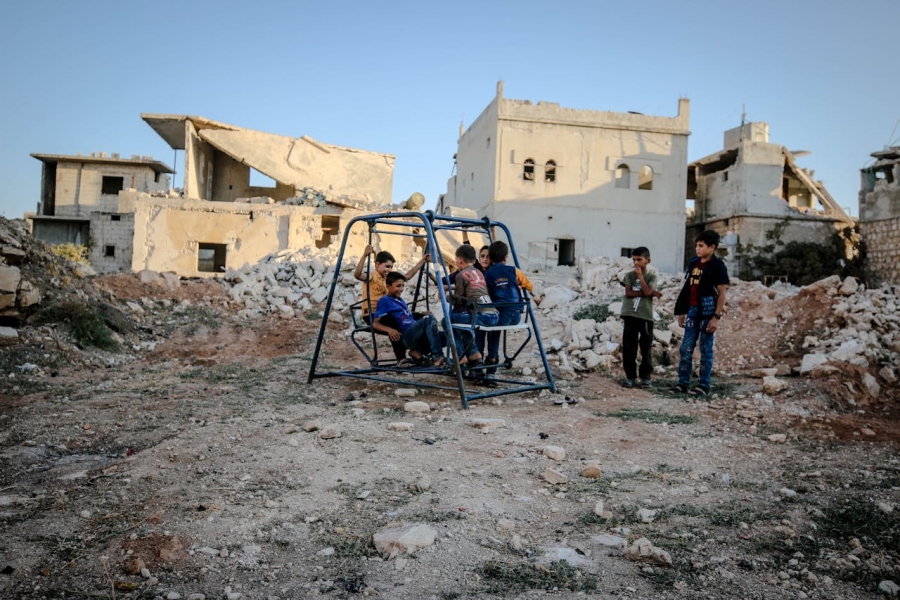
In December 2024, the United Nations declared 2024 as one of the most challenging years for children worldwide after the confirmation of 32,990 grave violations, encompassing killings, injuries, and the enlistment of children by armed groups.
According to UNICEF, over 43 million children in conflict zones required urgent assistance last year. Regions like the Sahel, Yemen, and the Democratic Republic of Congo witnessed widespread violence and displacement, compounding the existing lack of access to basic services such as education, healthcare, and nutrition, which are critical for survival and development.
Children are increasingly both collateral and direct victims of conflict. In the Sahel region, boys are often forcibly recruited as child soldiers, while girls face trafficking and servitude. Additionally, attacks on schools and hospitals—once safe havens—have left many children unable to access essential resources, with over 20 million unable to attend school. For instance, in Mali, attacks on schools have disrupted learning for thousands, while in Burkina Faso, malnutrition rates among children under five have reached critical levels. These conditions, compounded by the psychological trauma of displacement and violence, create long-term mental health issues, entrenching cycles of poverty and inequality for future generations.
Despite significant international efforts, including emergency aid and pledges to create safe zones by UNICEF, major challenges remain. Funding shortages and logistical difficulties hinder relief organisations from reaching all those in need, with rural and politically unstable regions being the hardest hit. For instance, the Priority Humanitarian Response and Critical Funding Gaps analysis identified “an urgent funding shortfall of $877.8 million” in Ethiopia, where “climate-induced disasters, such as devastating landslides and floods, have only intensified the situation for vulnerable populations facing food insecurity” (Relief Web).
Therefore, humanitarian groups are urging global leaders to prioritise children by expanding mental health services, improving access to education, and addressing the systemic inequalities that fuel these crises while also focusing on sustainable development.
- To read more, visit:
https://news.un.org/en/story/2025/01/1158771 - https://www.unicef.org/easterncaribbean/stories/2024-one-worst-years-unicefs-history-children-conflict#:~:text=In%202024%2C%20UNICEF's%20data%20shows,of%20children%20by%20armed%20groups.
- https://reliefweb.int/report/ethiopia/ethiopia-priority-humanitarian-response-and-critical-funding-gaps-october-december-2024


