


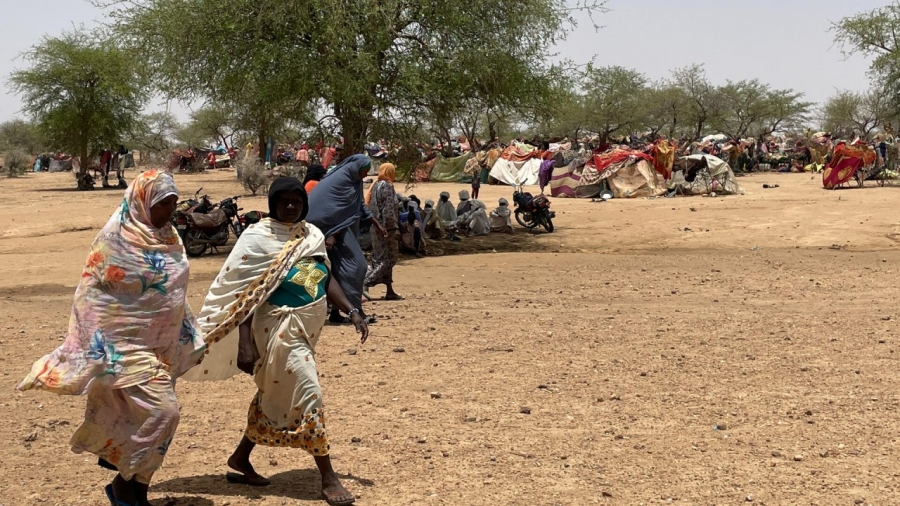
The non-international armed conflict in Sudan between the Sudanese Armed Forces (SAF) and the Rapid Support Forces (RSF), has put civilians in constant crisis and distress, in violation of international humanitarian law. However, women bear the brunt of this brutality. Widespread gender-based and sexual violence, by both sides of the conflict, and the absence of adequate post-traumatic and medical care increase the suffering and enhance impunity.
Based on interviews conducted by HRW with healthcare and social workers, the report documents the various forms of violence perpetrated against women, ranging from rape and sexual assault to domestic abuse, forced marriage, sexual slavery, and forced pregnancy. These acts of violence are often perpetrated by groups of combatants, with the specific intent to increase fear and stigma, often forcing women into being raped in front of families. The consequences are devastating, leaving women with physical injuries, psychological trauma, and social stigma. These acts constitute war crimes and crimes against humanity committed as part of a systematic or widespread attack on the civilian population.
Besides the long list of heinous crimes, this report highlights the systemic failures that perpetuate this cycle of violence. The lack of a robust justice system, coupled with impunity for perpetrators, encourages those who commit these heinous crimes. Additionally, cultural and societal norms that discriminate against women further exacerbate their vulnerability.
Beyond the pain and suffering deriving from the crimes themselves, there is a problem in accessing healthcare, abortion, and prophylaxis for sexually transmitted diseases, being hospitals also targeted by the parties in the conflicts. Access to medical treatment, including emergency contraception, post-exposure prophylaxis, and psychological counselling, is essential for their recovery. Moreover, the stigma associated with seeking help after being victims of sexual violence often prevents women from receiving the care they desperately need.
The report calls for urgent action on multiple fronts to address this crisis. Strengthening the justice system, ensuring accountability for perpetrators, and challenging harmful social norms are crucial steps. Additionally, investing in healthcare infrastructure and providing adequate training for healthcare providers and gender-based expertise by humanitarian workers are essential to ensure survivors receive the necessary care.
To learn more:


