An outbreak of insurgent violence in Mali in 2012 has since evolved into a decade-long regional conflict. In the Sahel region of Africa, the central states of Mali, Burkina Faso, and Niger are at the center of a transnational conflict driven by armed groups, driving regional insecurity and leading to the proliferation of armed groups, state forces, and mercenaries. In addition to indiscriminate attacks by armed groups and militias, insecurity, widespread human rights violations (including gender-based violence and violence against children), have caused mass displacement across the region and are affecting neighboring countries, including Mauritania and Chad.
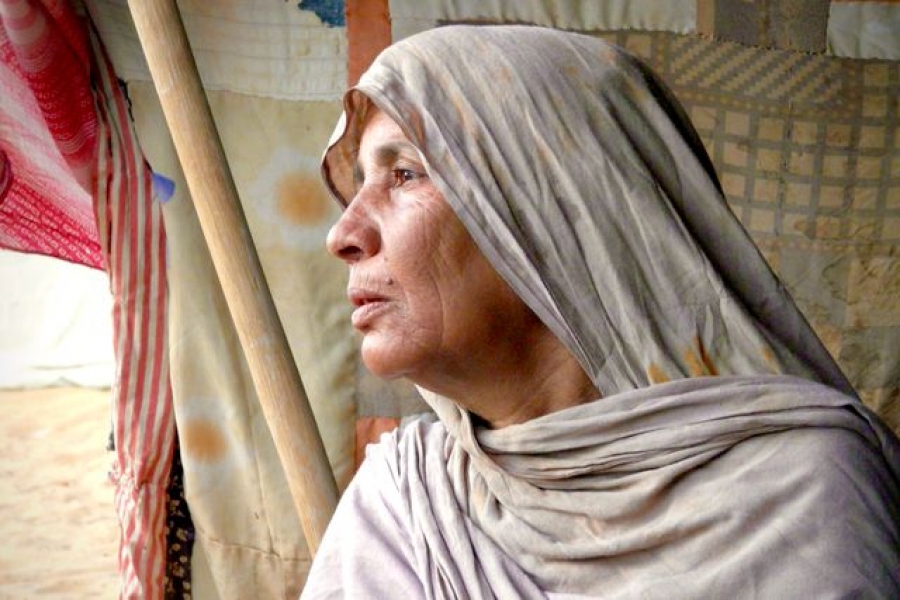
The United Nations High Commissioner for Refugees (UNHCR) indicated increasing concern about the deepening displacement crisis in central Sahel at a press briefing on 9 October 2026. With nearly 4 million people displaced across the region, including more than 818,000 refugees and asylum-seekers, this marks a notable escalation from October 2020, when central Sahel had more than 1.7 million displaced people and 365,000 refugees. The crisis is compounded by continued attacks, climate shocks, and a lack of humanitarian funding. In Mali, the town of Koro housed an estimated 86,000 Burkinabé refugees as of July 2026, with more than 14,000 children and 6,000 women identified as high-risk. The refugee population is currently approaching the size of the host population, increasing the pressure on already scarce resources such as land and water, health services, and livelihoods.
Climate-related shocks contribute to the pressure on host communities struggling with displacement and insecurity, with recurring droughts, erratic rainfall, and flooding damaging infrastructure, disrupting food production, and reducing access to water and livelihoods. As of 30 September 2026, the population of concern, including refugees, asylum-seekers, refugee returnees, internally displaced people (IDP) and IDP returnees in central Sahel, Chad, and Mauritania is over 5 million.
Internationally, successive military interventions such as the French Operation Serval, the United Nations (UN) peacekeeping mission MINUSMA, and the G5 Sahel Force have failed to create long-term stability. The central Sahelian countries remain consistently high on ACLED’s Conflict Index as a result of high levels of violence throughout the region. An increase in resources and investment in national systems are crucial to protecting those at risk, sustaining access to basic services, and supporting displaced people as well as their host communities.
By Megan Xing
