On Saturday, November 15, the Democratic Republic of Congo (DRC) and the M23 paramilitary group signed a framework agreement in Doha, Qatar, paving the way for negotiations aimed at ending fighting in the country’s east.
The deal comes after months of violent clashes in North and South Kivu, which intensified earlier this year after M23 seized Goma and took control of strategic areas with mineral resources. The ongoing conflict has triggered a severe humanitarian crisis, marked by escalating displacement, widespread suffering, and urgent needs for basic services. Congolese civil society, the United Nations, Human Rights Watch and Amnesty International have documented arbitrary executions, obstruction of aid, and other serious human rights abuses.
The document creates eight protocols to be negotiated separately: two, on monitoring the ceasefire and exchanging prisoners, have already been signed. In the coming weeks, discussions will turn to essential issues such as restoring state authority, governance reforms, the return of displaced civilians, and securing humanitarian access to the hardest-hit areas.
The Doha agreement builds on earlier mediation efforts led by Qatar with diplomatic support from the United States and the African Union, and represents a significant political commitment to launching a peace process. However, caution prevails.
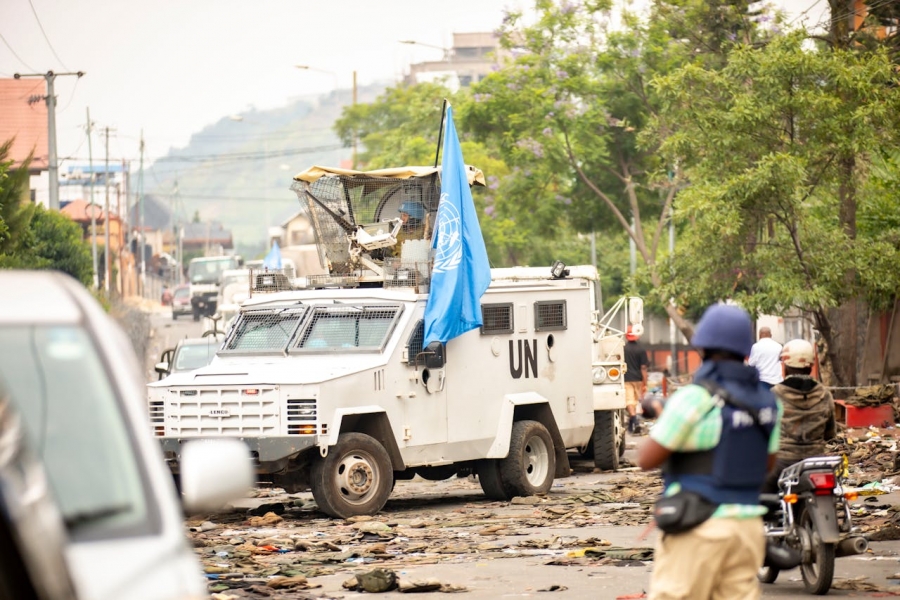
Qatar considers the agreement as a key step towards the stabilisation of the region, while warning that the process is now entering a more technical phase and that many challenges remain unresolved, particularly concerning territories occupied by M23. MONUSCO, the UN mission in the DRC, welcomed the signing but stressed the urgent need to ensure civilian protection and effective access for humanitarian actors. The EU’s Special Representative for the region, Johan Borgstam, has repeatedly emphasised the importance of translating diplomatic efforts into concrete actions to alleviate civilians’ suffering.
Martin Fayulu, leader of the opposition coalition Lamuka, argues that the agreement is insufficient to guarantee lasting peace as long as the DRC’s sovereignty and territorial integrity remain under threat and civilians continue to face violence. He calls for an inclusive national dialogue bringing together all Congolese to address the ceasefire, civilian protection and governance without subordinating national security to external interests or proposed regional economic integration initiatives.
The Doha agreement therefore opens a small window for de-escalation, but its real impact on civilians will depend on the effective implementation of the protocols in the upcoming negotiations.


