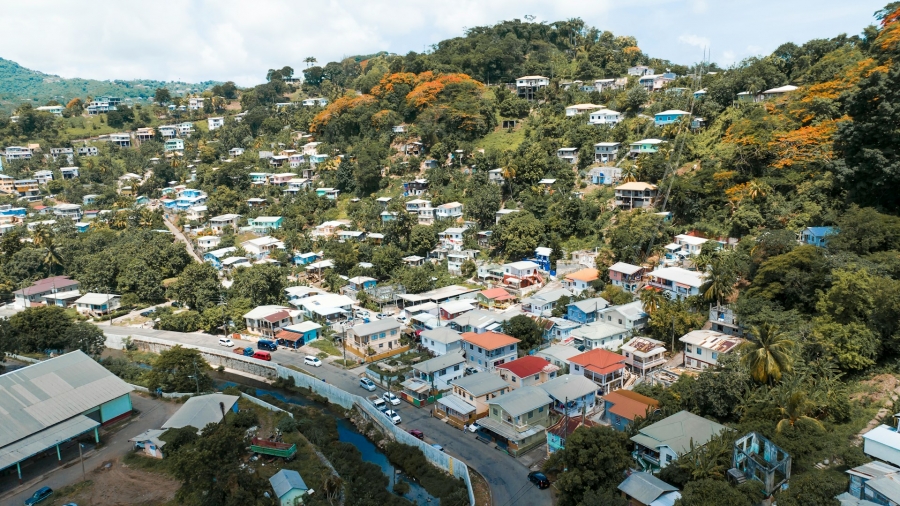
On 11 September, more than forty people were killed and dozens of homes set ablaze in an attack by armed gangs in the fishing village of Labodri, north of Haiti’s capital Port-au-Prince. The assault occurred overnight and according to civil society organisations it represents one of the latest and most brutal episodes of gang violence that have affected the country since last year. According to Stéphane Dujarric, UN Secretary-General spokesperson, the attack highlighted the precarious security situation and the near-total absence of effective governance on the island.
Reports from Haitian media stated that the Labodri massacre took place following the killing of a gang leader known as Vladimir, a member of the powerful Viv Ansanm alliance. The group, a coalition of criminal organisations, has consolidated control over large parts of the country’s capital, rapidly expanding its influence over the surrounding regions. In May, the group was declared a terrorist organisation by the US government.
Haiti's security situation has significantly deteriorated in recent years. Following the assassination of President Jovenel Moïse in July 2021, gangs have taken advantage of the political instability and the lack of a strong governmental response. Today, it is estimated that armed groups control most of Port-au-Prince, where they engage in extortion, kidnapping for ransom, and block access to vital resources such as food and medical care.
The United Nations swiftly condemned the violence. Secretary-General Antonio Guterres expressed his condolences to the victims’ families and urged the Haitian authorities to hold the perpetrators accountable. In addition, he called on UN Member States to scale-up support for the Multinational Security Support mission focused on bolstering the Haitian National Police.
Although international attention over Haiti’s situation continues to rise, efforts to restore stability have struggled to make progress. Only two weeks prior the attack, Mr. Guterres had voiced his preoccupation over the rapidly deteriorating situation in the country during an address to the UN Security Council. He warned that “state authority is crumbling” as armed groups expand their power, exposing thousands of civilians to displacement and constant insecurity.
Over six million Haitians are in need of urgent humanitarian assistance, and nearly 1.3 million have been displaced. Yet, less than ten percent of the required $908 million has been funded, leaving around 1.7 million people at risk of not receiving any aid at all.
Human rights organisations have echoed these concerns. Amnesty International condemned the Labodri massacre as a reminder of Haiti’s inability to ensure the safety of its population. The organisation’s Deputy Regional Director for Campaigns in the Americas, César Marín, stressed that both Haitian authorities and the international community must increase their efforts to safeguard the country’s people. He called on all stakeholders to take urgent and coordinated steps to prioritise the protection of civilians and strengthen human rights guarantees.
To read more, please visit:
- https://news.un.org/en/story/2025/09/1165842
- https://www.theguardian.com/world/2025/sep/13/un-condemns-reported-haitian-village-massacre-by-armed-gangs
- https://www.amnesty.org/en/latest/news/2025/09/haiti-masacre-en-labodri-expone-ineficacia-del-estado-para-proteger-a-la-poblacion/#:~:text=Haiti%3A%20Labodri%20massacre%20exposes%20state%20ineffectiveness%20in%20protecting%20the% 20population,according%20to%20civil%20society%20organizations


