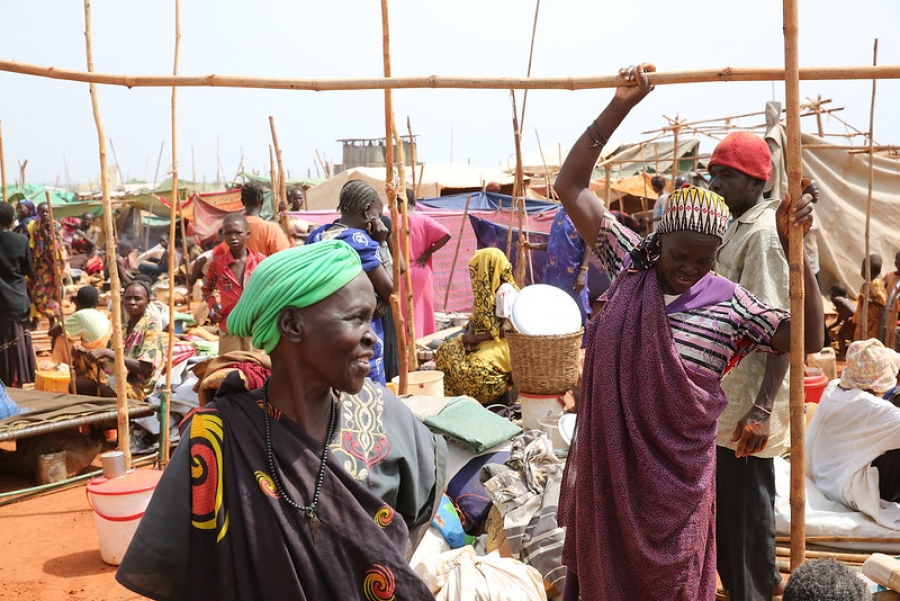
The situation in Sudan is dire and attacks against civilians are escalating, as reported byOCHA.
Seif Magango, spokesperson for the UN Human Rights Office (OHCHR), has stated to have received information that parties in the conflict committed sexual abuse in the Al Giraif Gharb area. In addition, the Rapid Support Forces (RSF) are carrying out summary killings, arresting people and stealing food and other supplies from communities and medical clinics.
In North Darfur, the situation is worsening, as the fights in the El Fasher area have forced numerous individuals to seek refuge in the Zamzam camp. However, this camp is under siege, leading to a food crisis. The checkpoints around it prevent water, food and medical supplies from entering, causing numerous casualties and facilitating the spread of disease.
The conflict began on 15 April 2023, when the Sudanese Armed Forces (SAF), the country's military, and the RSF, a paramilitary group that helps the leader of the SAF gain power, disagreed on how to govern the country. The two forces worked together in 2019 to overthrow dictator Omar al-Bashir, who had been in power for 30 years, and General Abdel Fattah al-Burhan, the leader of the SAF, replaced him. Today, Sudan is the world's largest humanitarian crisis, with a famine and refugee crisis, large numbers of casualties and damage to local infrastructure. The Sudan Humanitarian Needs and Response Plan for 2025 requires $4.2 billion to reach civilians.


