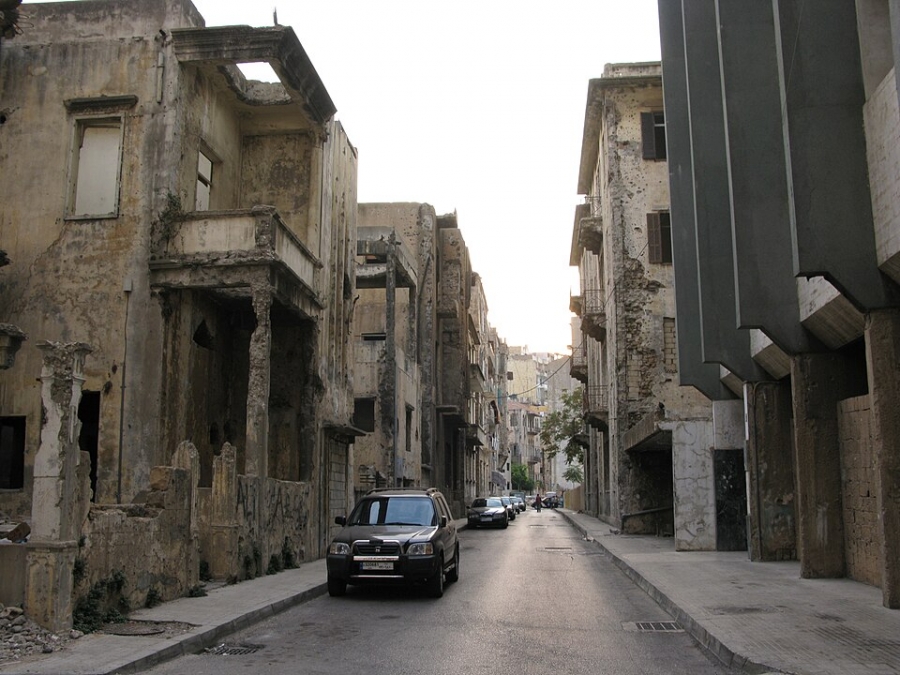
Human Rights Watch reports that in southern Lebanon, infrastructure and public services have been destroyed by ongoing attacks from Israel. Damages are preventing civilians from returning safely to their homes. Civilians don’t have access to water or electricity, telecommunications, or a functioning health care system, even if their houses don't have major damage, said Ramzi Kaiss, Lebanon researcher at Human Rights Watch. Since the ceasefire was signed in November 2024, Lebanese civilians have been trying to return home. But because of the diffuse damage to the infrastructure, the United Nations International Organization for Migration (IOM) reported that 100.000 people were still displaced as of February 5.
The World Bank estimated the damage to "physical structures alone" at US $3.4 billion. According to the United Nations Development Programme (UNDP), districts in southern, north-eastern and central Lebanon suffered significant damage, including the destruction of 83 educational facilities, 36 health facilities and 40 water facilities. In the Nabatiyeh district, for example, more than 33% of water facilities were damaged. In addition, the United Nations Children's Fund (UNICEF) reports that a third of children are out of school due to the destruction of most schools. Finally, the Lebanese Ministry of Health reports that the Israeli attack destroyed 68 hospitals and 177 ambulances, making it more difficult to provide aid to civilians.
These attacks began in October 2023, when the Lebanese government of Hezbollah launched an attack on Israel in support of Gaza. Since then, Israel has carried out attacks on health infrastructure and used explosive weapons in populated areas.
Human Rights Watch and the other organisations mentioned are calling on the international community and the Lebanese government to invest in the country's reconstruction.


