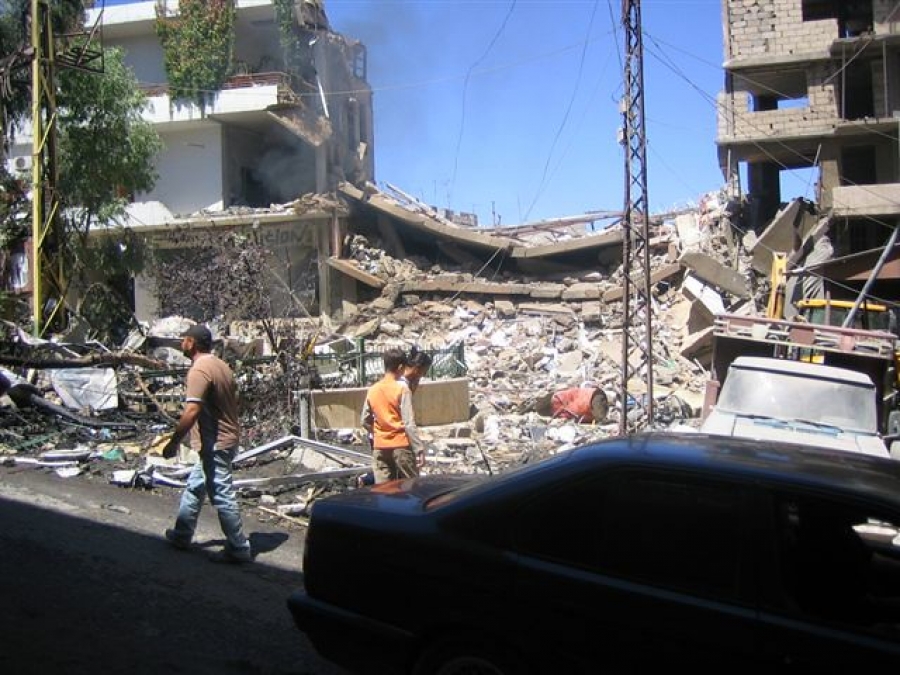
On November 27, 2024, a ceasefire between Israel and Lebanon came into effect, bringing an end to 13 months of intense and devastating conflict between the two parties. Brokered under the joint auspices of France and the United States, the agreement comprises 13 key provisions that form the foundation of the truce. Although Hezbollah is not officially a signatory to the accord, the terms mandate the Lebanese army to dismantle all military infrastructure and positions, as well as confiscate any unauthorized weaponry in southern Lebanon, particularly in the Litani region.
The agreement explicitly requires Lebanon to prevent Hezbollah and other armed groups within its territory from launching operations against Israel. The only exception is the United Nations (UN) Interim Force In Lebanon (UNIFIL), which has about 10,000 troops. In return, Israel must refrain from conducting offensive military actions against Lebanese targets, whether civilian, military, or state-controlled. Both sides are obligated to withdraw their military forces from southern Lebanon within a 60-day timeframe. Furthermore, the agreement reaffirms both parties' commitment to UN Security Council Resolution 1701 (2006), which originally served as the framework for peace following the 2006 conflict between Israel and Lebanon.
UN Secretary-General Guterres expressed hope that the ceasefire between Israel and Lebanon will put an end to the violence, destruction, and suffering endured by the populations on both sides. According to the UN Office for the Coordination of Humanitarian Affairs (OCHA), the conflict has directly caused the deaths of over 3,700 civilians, of whom at least 240 children, and displaced another 1.3 million people across Lebanon and into neighbouring countries. UN Special Coordinator Hennis-Plasschaert hailed the agreement as a crucial step toward civilian safety and security, urging full implementation of Resolution 1701 (2006). The USA and France have committed to monitoring the adherence to the ceasefire terms by both parties as well as leading international efforts to strengthen Lebanon’s capacity-building, economic development, and regional stability.
To read more, please visit:
- https://news.un.org/en/story/2024/11/1157521
- https://news.un.org/en/story/2024/11/1157456
- https://unsco.unmissions.org/sites/default/files/s_res_17012006.pdf (UNSC Resolution 1701 (2006))
- The 13-point agreement between the governments of Israel and Lebanon (Facebook, Presidency of the Council of Ministers, Lebanon)
__________
by David-Jan Middelkoop


