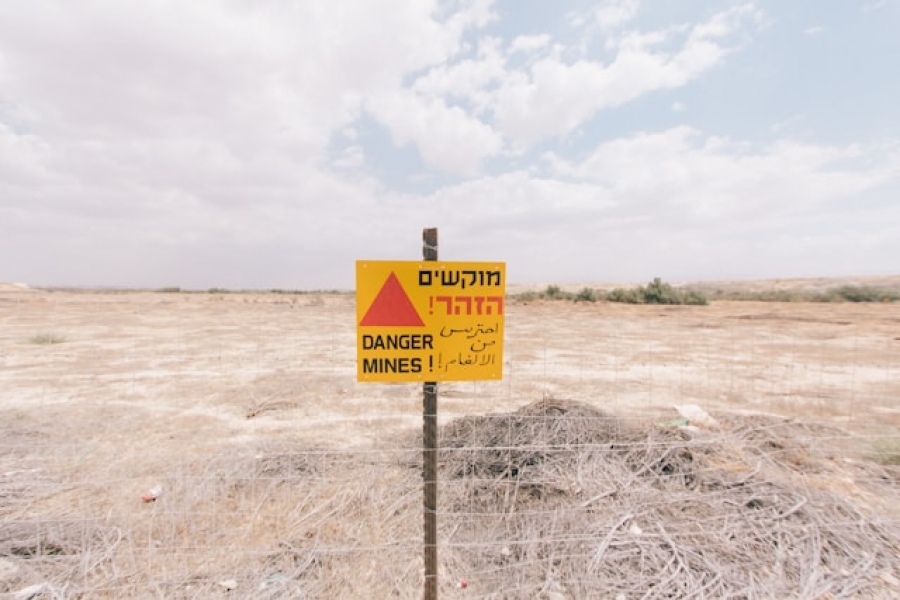
As armed conflicts expand globally and humanitarian funding declines, demining operations are facing increasing pressure in addressing the growing threat posed by unexploded ordnance. According to the new head of the United Nations Mine Action Service (UNMAS), Kazumi Ogawa, demining experts are reporting an unprecedented rise in contamination linked to the growing number of active conflict zones worldwide, raising urgent concerns about civilian safety and long-term recovery in affected regions.
Speaking in Geneva at a meeting of Mine Action National Directors and UN advisers, Ogawa highlighted that professionals in the field describe the current situation as unlike anything they have experienced in their careers. Beyond the immediate devastation of war, unexploded ordnance is increasingly embedded in civilian environments, creating persistent and often invisible risks that continue long after active fighting ends. This shift has turned post-conflict areas into long-term hazard zones where daily life, reconstruction, and return processes are severely constrained.
The situation in Gaza illustrates the scale of the problem. UNMAS estimates that between five and ten per cent of munitions used in the conflict have failed to detonate, leaving unexploded ordnance scattered across densely populated areas. Ogawa noted that approximately 90 per cent of those injured by explosive hazards are civilians, with children representing the majority of victims. The presence of unexploded mines in rubble and residential areas means that even basic activities, such as returning home or playing outside, expose civilians to life-threatening risks.
Similar patterns are observed in other conflict-affected contexts. In Syria, explosive remnants continue to cause hundreds of casualties weekly, while Afghanistan remains heavily contaminated, with reports indicating that one child dies every day as a result.
At the same time, the capacity to respond is weakening. Ogawa stressed that reductions in humanitarian funding are directly affecting demining operations, risk education, and victim assistance programs. As national budgets shift increasingly toward defence spending, humanitarian mine action faces growing resource constraints despite rising global needs. This imbalance is widening the gap between the scale of contamination and the ability of international actors to respond effectively.
The consequences are not only humanitarian but also socio-economic. Unexploded ordnance restricts access to land, infrastructure, and basic services, delaying reconstruction and undermining development in already fragile regions. Families of victims often face long-term care responsibilities, placing additional strain on local communities and public systems.
UNMAS also highlighted examples of positive intervention, such as in Colombia, where demining initiatives linked to transitional justice mechanisms involve former combatants in clearance, victim assistance, and risk education activities. These programs contribute not only to physical recovery but also to reconciliation and reintegration processes.
However, recent moves by several European states to withdraw from the 1997 Anti-Personnel Landmines Convention raise concerns about the weakening of international norms. UNMAS warns that without stronger funding, coordination, and adherence to existing frameworks, the global mine action system risks becoming increasingly unable to respond to the expanding scale of explosive contamination worldwide.


