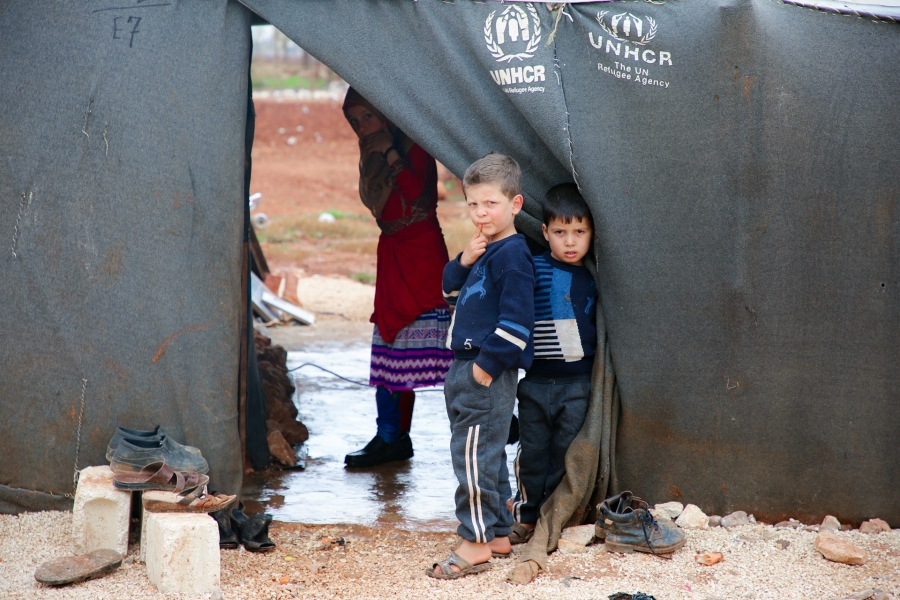
The United Nations launched its Global Humanitarian Overview 2026 by asking for $33 billion, half the amount it says it requires. With humanitarian needs worldwide being at an all-time high, the shortfall is expected to exclude tens of millions of individuals from life-saving assistance. The organisation motivated the cuts by referencing the sharp decline in donor contributions in recent years, primarily by the Trump administration but also from other major Western donors, like Germany and the United Kingdom.
UN aid chief Tom Fletcher explained that in 2025 only $12 billion were effectively allocated, the lowest amount in a decade, at a time when conflict, climate-related disasters, and economic shocks are causing unprecedented levels of human suffering. As a result, aid agencies were forced to scale back operations dramatically, leaving millions without support or access to basic services. At the same time, attacks on humanitarian workers reached record levels, further constraining access to civilians trapped in crisis zones.
Against this backdrop, the 2026 strategy prioritises what the UN describes as a “life by life” approach, articulated into 29 detailed plans - 23 country operations and six plans for refugees and migrants. The aim is to shift power to local organisations, delivering the money directly into the hands of the people who need it most.
The largest plan targets the occupied Palestinian territory, amounting to $4.1 billion. Most of the appeal is for Gaza, to reach around 3 million people affected by the more than two years of Israeli attacks and destruction. In Sudan, the identified needs amount to $2.9 billion, necessary to provide urgent support to the 20 million people and address the world’s largest displacement crisis. Similarly, the regional plan for Syria accounts for $2.8 billion for 8.6 million people.
The UN estimates that around 240 million people worldwide live in conflict zones or areas affected by natural disasters, requiring urgent humanitarian assistance. As a result of the drop in aid, however, the 2026 Global Humanitarian Overview identified 87 million people as priority cases. As Mr. Fletcher recalled, programmes to protect women and girls will inevitably be slashed, and hundreds of aid organizations will be forced to shut down.
The UN’s appeal also underscores the precarious conditions under which humanitarians operate. UN agencies are forced to face what officials have openly described as a brutal choice: deciding who receives aid and who is left without. Insecurity, limited access, and deliberate targeting of aid workers increasingly restrict the delivery of assistance. Despite these challenges, humanitarian agencies continue to press forward, urging governments to provide financial support but also to uphold international law and protect civilians and those assisting them.
The 2026 appeal is both a funding request and a warning. Without renewed political will and sustained investment, humanitarian responses will remain dangerously overstretched, leaving millions of civilians exposed to the cascading consequences of conflict, displacement and insecurity.


