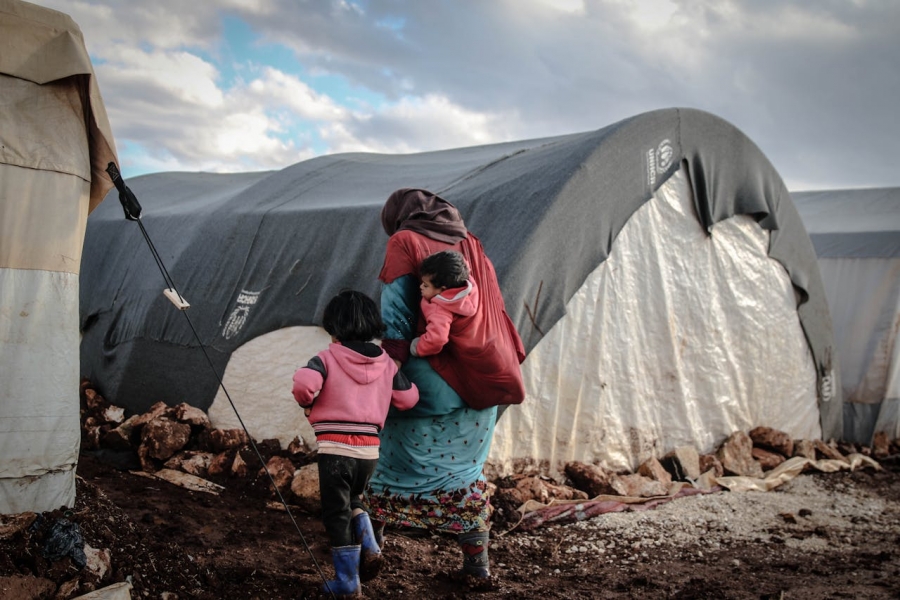
There seems to be little awareness that women experience amplified and disproportionate consequences during times of conflict and crisis. In fact, not only are women victims of general instability, but they are subjected to specific and severe repercussions such as human trafficking (like in Colombia), sexual violence (such as that seen in Sudan) and the destruction of essential services like maternal health care (as demonstrated in Gaza).
This is why creating better ways for countries to respond to this controversy is of extreme importance. Indeed, The United Nations Committee on the Elimination of Discrimination against Women is aiming at building on and expanding its 2013 General Recommendation. As stressed by Human Rights Watch in a submission, it is urgently needed to “move beyond framing sexual violence as the sole experience of conflict for women”, which was further highlighted by The Committee.
Therefore, in order to defend women’s rights, countries can uphold a right enshrined in a UN Security Resolution dated 1325 which highlights the right for diverse women to be full, safe, equal, and meaningful participants in all discussions about the future of their country and their community. Moreover, focusing solely on sexual violence also obscures “women’s agency in peacebuilding, accountability and justice mechanisms, and political and public leadership.” as stated by the Committee.
by Ylenia Bobbo


