Key Findings
Operations
Humanity & Inclusion (HI), an organization supporting vulnerable populations affected by poverty and conflict, released its 2025 report authored by Delphine Valette and Anna de Courcy. The report evaluates how explosive weapons impact healthcare access in warzones. In 2023, HI directly supported 2.6 million people, while indirectly benefiting over 10 million.
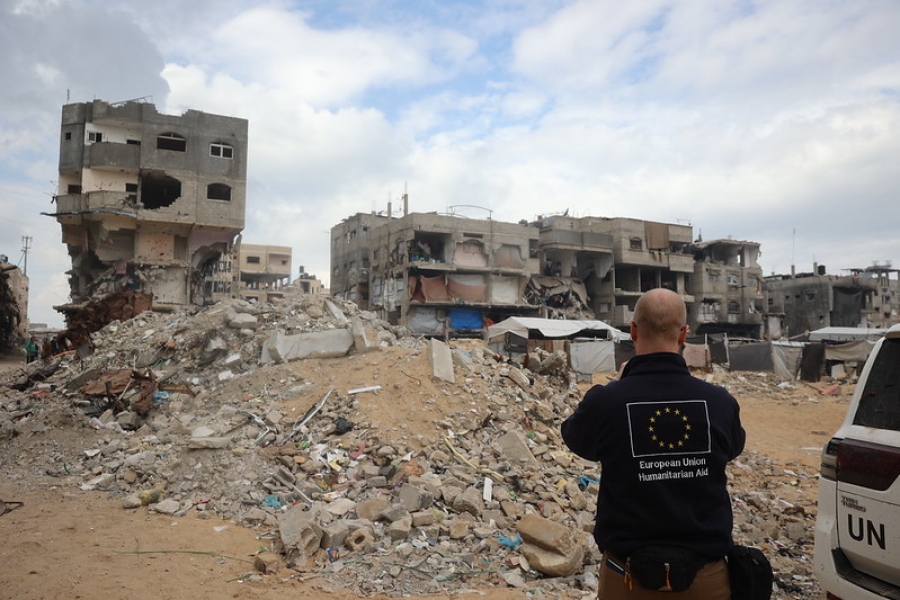
The report uses a mixed-method approach, including field interviews, literature reviews, and case studies from Gaza, Ukraine, Sudan, and Syria, to assess systemic challenges. Findings show that explosive weapons cause long-term damage to healthcare systems by destroying infrastructure, displacing or killing medical personnel, and disrupting essential services like electricity, water, and transportation. Emergency facilities are often targeted or left unusable, cutting off lifesaving care.
In Gaza, 84% of healthcare facilities were damaged. In Ukraine, over 770 attacks on medical staff and infrastructure were documented. In Sudan, bombing campaigns crippled an already fragile health system. These attacks, often intentional or indiscriminate, increase the burden on humanitarian responders and create unsafe conditions for aid delivery.
Vulnerable Populations
The effects of EWIPA disproportionately affect civilians, particularly women, children, and persons with disabilities. Survivors often require long-term rehabilitation services, yet these are chronically underfunded. Mental health needs are similarly neglected despite increasing trauma. Structural barriers make access especially difficult for marginalized groups, reinforcing cycles of vulnerability.
Accountability
The report emphasizes the lack of legal and operational safeguards to prevent attacks on healthcare. Health workers face ongoing risk, and humanitarian access is routinely obstructed. Funding often falls short, and where services do exist, coordination between humanitarian actors remains inconsistent. These gaps reveal a lack of sustained political commitment and monitoring mechanisms.
The authors also highlight that mental health and psychosocial support (MHPSS) services are rarely prioritized, despite evidence of their necessity. The enduring psychological toll on survivors remains one of the least addressed elements of healthcare in conflict.
Recommendations
Humanity & Inclusion proposes a six-part roadmap to improve healthcare access in EWIPA settings:
- Political leadership and humanitarian diplomacy to condemn and prevent attacks on health infrastructure.
- Increased and sustained funding for emergency care, rehabilitation, and mental health services.
- Improved coordination between humanitarian actors and health systems.
- Training and tools for frontline health workers operating in high-risk zones.
- Cross-sectoral learning to share strategies between humanitarian, health, and legal actors.
- Data collection and advocacy to improve monitoring and accountability.
The report calls for Member States and humanitarian actors to recognize healthcare as a protected service under international humanitarian law, enhance reporting mechanisms, and prioritize inclusion of marginalized populations.


