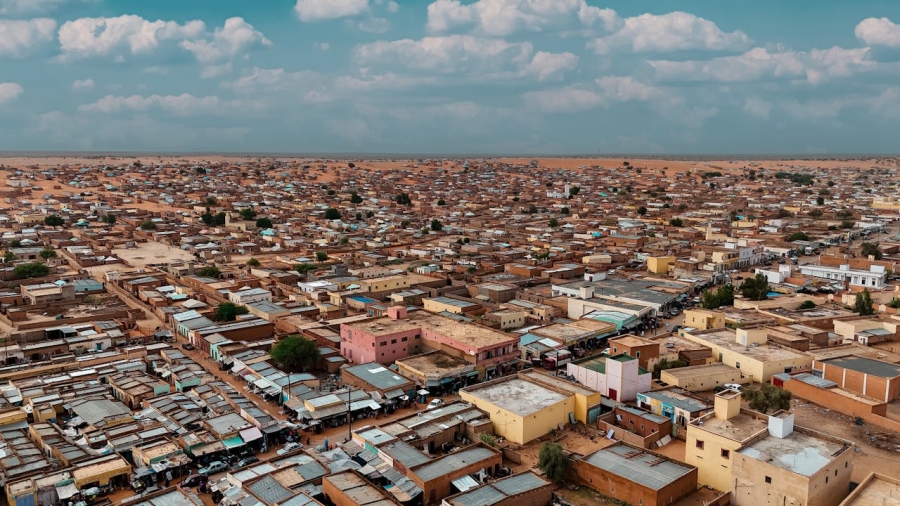
On March 20, Al Deain Teaching Hospital, located in the capital of East Darfur, was hit by a drone strike amid the ongoing conflict between the Sudanese Armed Forces (SAF) and the Rapid Support Forces (RSF). In the days following the attack, search and rescue operations continued among the rubble, bringing the death toll to at least 70, including 13 children, while more than 140 people were reported injured.
The strike has rendered the hospital inoperative, depriving a population of over two million people of access to essential healthcare. As one of the main referral facilities in the region, the hospital served not only the city of Al Deain but also surrounding localities across East Darfur. Its destruction now forces patients to travel long distances – often exceeding 160 kilometres – to reach alternative medical services, a journey many cannot undertake due to insecurity, lack of transport, or the severity of their conditions.
Tedros Adhanom Ghebreyesus, Director-General of the World Health Organisation (WHO), condemned the frequent targeting of medical infrastructure. Since the start of the conflict, over 200 attacks on medical facilities have been documented, resulting in more than 2,000 deaths. In this context, the destruction of Al Deain Teaching Hospital represents a further erosion of civilian resilience and access to life-saving care.
The increasing use of drones has contributed significantly to the escalation. In the first months of 2026 alone, hundreds of civilians have reportedly been killed in drone strikes, particularly in the Kordofan region, where fighting has intensified. Responsibility for the Al Deain attack remains contested, with RSF forces accusing the army of carrying out the strike, while the military has denied involvement. At the same time, reports indicate that drone use is expanding beyond Sudan’s borders, with strikes recorded near the Chad frontier, raising concerns about regional destabilisation and the potential widening of the conflict.
The humanitarian consequences of the strike are far-reaching. The loss of healthcare services increases the risk of preventable deaths from injuries, disease, and otherwise treatable conditions. It also contributes to heightened fear among civilians, who increasingly perceive even hospitals as unsafe spaces.
International actors have called for an immediate de-escalation and a return to negotiations. However, repeated attempts to secure a ceasefire have so far failed, and the continued flow of weapons into the conflict risks prolonging the violence.
For civilians, the consequences remain severe and immediate. The destruction of Al Deain Teaching Hospital illustrates a broader pattern in which essential infrastructure is increasingly affected by the fighting, compounding humanitarian needs and deepening insecurity. Without meaningful progress towards a political settlement and stronger protections for civilians, such incidents are likely to continue, further entrenching a cycle of violence and vulnerability.


