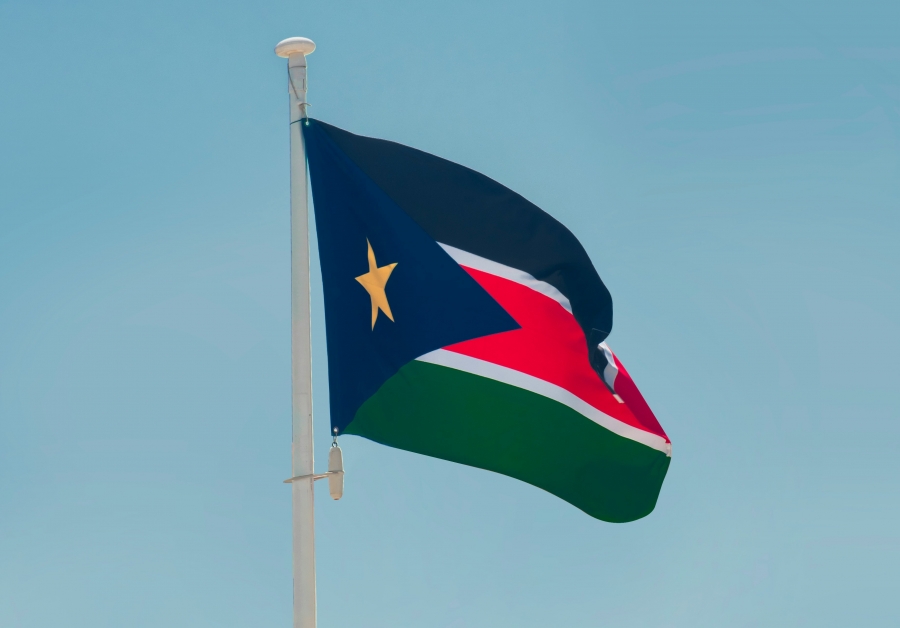
In South Sudan, years of conflict, fragile institutions and poor infrastructure have severely compromised the justice system, especially in rural areas. In many counties there are no functioning courts, and hundreds of people wait years before appearing before a judge. The United Nations, through the support of peacekeeping missions and with the backing of the UNDP, has promoted the establishment of mobile courts,travelling courts tasked with reaching the most isolated communities. Teams of justice experts travel over 200km to set up temporary court sessions in areas of the south of the country where there are no official institutions. The aim is to reduce incidents of detention without trial, reduce prison overcrowding and deal with cases that have been stalled for years.
One of the most pressing issues that has emerged concerns the impact of cases of gender-based violence (GBV).During preliminary assessments, local authorities documented 35 pending cases, including 9 murders and 15 cases of violence, in addition to other crimes. Leaders in the area describe GBV as a growing problem, highlighting the lack of a specific unit to deal with these issues at police stations. Cases of GBV are often treated as ordinary crimes, and the lack of trained personnel leads to situations of impunity and procedural impossibility. In this climate, many survivors fear retaliation or damage to their reputation, and there are almost no tools to ensure legal representation.
The results achieved by the mobile courts show tangible progress. At the national prison in Juba, the country's capital, mobile courts specifically for combating GBV concluded 60 cases in 40 days, ordering the release on bail of 62 detainees who had been waiting for years for the opportunity to appear before a judge. Survivors and defendants were thus able to benefit from a formal proceeding, obtaining legal answers in a context where the absence of courts fuels daily frustration and impunity. While this solution does not replace the need to permanently strengthen the judicial system in South Sudan, the mobile courts are demonstrating how it is possible to bring justice closer to those who have long been excluded from it.
To read more, visit:
- https://peacekeeping.un.org/en/justice-move-mobile-courts-offer-hope-communities-south-sudan
- https://www.undp.org/south-sudan/stories/waiting-justice
- https://www.channelafrica.co.za/channelafrica/news/mobile-courts-bring-long-awaited-hope-of-justice-to-remote-communities-in-south-sudan/
by Michele Cannas


