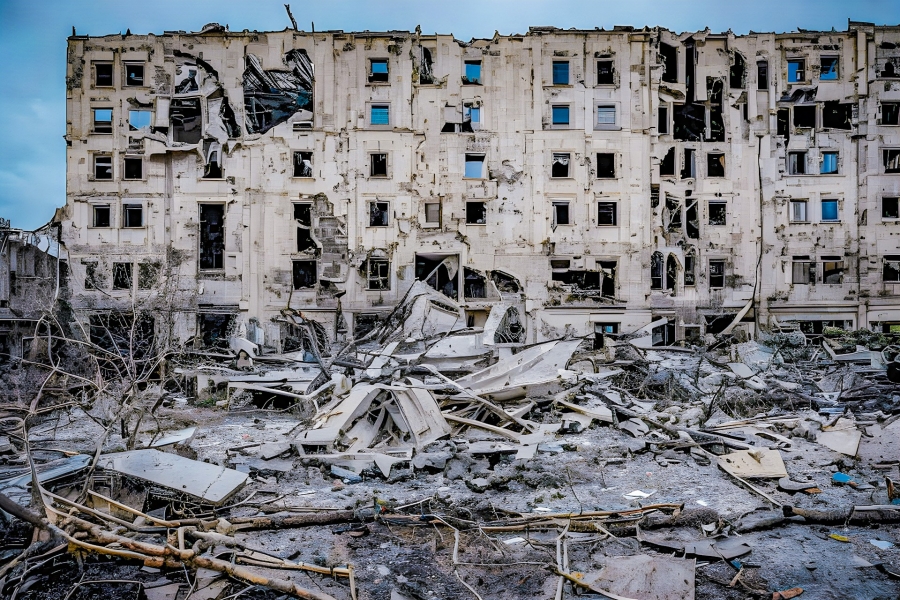
According to the United Nations, from January to October 2025, 12,062 casualties were recorded in Ukraine, marking a worrying 27% increase compared to the full-year total for 2024 (9,112). Overall, the article reports, since the beginning of the large-scale invasion in 2022, civilian casualties have risen to 53,006, of which 14,534 were deaths.
In October alone, 48 civilians were killed and 929 injured, in line with the high trends of the previous months. The most affected communities are those on the front lines, particularly the regions of Kherson, Kharkiv, and Donetsk, with 65% of deaths and injuries caused by long-range missiles and drones. Also in October, attacks on energy infrastructure increased, causing blackouts, interruptions to heating and water supplies, hitting the most at-risk civilian population: the elderly, the disabled, families with young children. Matthias Schmale, resident and humanitarian coordinator of the United Nations in Ukraine, stated that these attacks on energy infrastructure as winter approaches "have an evident impact on the civilian population and are a form of terror"; from the point of view of citizens' mental health, the attacks would contribute in increasing the perception that “no place is safe.”
As early as July 2025, the intensification of the massive use of drones and long-range missiles in urban areas had caused in the country “levels of suffering never seen in three years of conflict,” as denounced by Danielle Bell, head of the United Nations Human Rights Monitoring Mission in Ukraine (HRMMU).


