On March 20, 2025, the M23 rebel group captured Walikale— a strategically pivotal town in North Kivu—intensifying a wave of violence in eastern Democratic Republic of the Congo (DRC). The takeover not only extends M23’s territorial control but also threatens vital humanitarian access along a key corridor connecting several provinces.
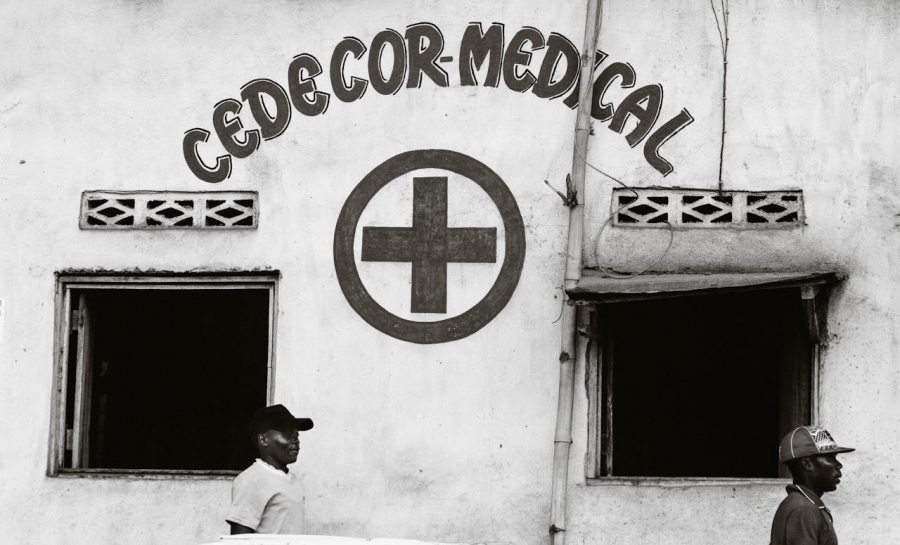
This latest offensive has been marked by a troubling surge in attacks on health infrastructure. According to Médecins Sans Frontières (MSF), over 30 health facilities in North Kivu and Ituri have been looted or damaged in recent months. In areas like Masisi and Rutshuru, clinics have been forcibly evacuated, medical supplies stolen, and health workers abducted or driven into hiding, leaving already vulnerable communities without access to essential care.
This conflict is rooted in decades of instability following the 1994 Rwandan Genocide. The presence of hundreds of armed groups, many formed along ethnic lines, continues to plague the DRC. M23, primarily composed of Congolese Tutsis, claims to protect its community but has been repeatedly accused of atrocities, with international investigators citing support from Rwanda—an allegation Kigali denies.
International organizations have struggled to contain the escalating crisis. The United Nations peacekeeping mission, MONUSCO, has faced mounting criticism for its limited capacity to protect civilians or deter armed groups. Meanwhile, humanitarian actors like MSF and the International Committee of the Red Cross continue to operate under dangerous conditions, urging the creation of protected humanitarian corridors and the enforcement of international humanitarian law. Regional bodies, including the African Union and the East African Community, have called for renewed diplomatic engagement and demobilization efforts, though progress remains slow.
Long-term solutions will require more than emergency aid. A sustainable response must include the disarmament and reintegration of armed actors, stronger accountability for cross-border interference, and a coordinated regional strategy that addresses both the root causes of violence and the urgent need to protect civilians, particularly the healthcare systems they rely on.


