2.9 trillion dollars. That is global military spending in 2025, which amounts to 2.5% of global GDP. The world’s top 100 defense companies generated $679 billion in revenue in 2024, an increase of nearly 6% on the previous year.
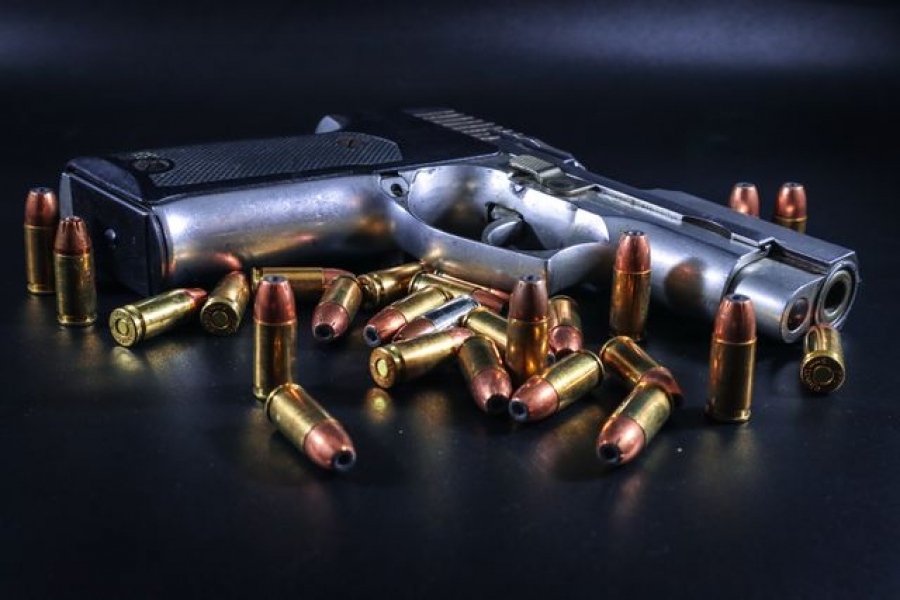
Rising military spending and growing conflicts mean more weapons in circulation, and the hardest to control are small arms and light weapons (SALW). Indeed, the global market of SALW is difficult to monitor and control due to the complexity involved in identifying its trade and routes. Analyst estimates put its value at approximately 13-27 billion dollars, with a significant increase projected over the next decade. The widespread availability of these weapons intensifies conflict, leading to increased violations of civilians’ rights and greater threats to their physical security.
The Arms Trade Treaty (ATT) was adopted by the United Nations in 2013 and calls on its 118 States parties to exercise due diligence regarding arms exports, primarily to prevent human suffering. In particular, Articles 6 (Prohibitions) and 7 (Export and Export Assessment) regulate the trade and transfer of arms to prevent uncontrolled proliferation and its consequences, which would undermine global security, as well as the principles of the Charter of the United Nations.
Article 6 imposes absolute prohibitions on any transfer (export, import, transit, transshipment, or brokering) if such a transfer would result in a violation of United Nations Security Council (UNSC) sanctions or other international obligations, or if the State is aware that the arms will be used to commit genocide, crimes against humanity, or war crimes. Article 7 provides for a specific risk assessment for exports not prohibited under Article 6. Exporting States must assess whether the arms could undermine peace and security or be used to commit serious violations of international humanitarian law or human rights, including gender-based violence. These provisions are particularly important for civilian protection. Gathering information, verifying authorizations, and monitoring the arms trade are central to preventing the proliferation of small arms that cause harm to civilians and contribute to cycles of violence.
During the 12th Conference of States Parties (CSP12), UNIDIR (United Nations Institute for Disarmament Research) and its partners launched the first comprehensive assessment of the ATT’s effectiveness and actual progress in preventing the illicit trade in arms. Discussion covered national control systems, brokering regulations, risk assessment, the conflict in South Sudan and maritime security.
South Sudan is a key example of how the proliferation of small arms is detrimental to civilian protection. During the North-South civil war and subsequent conflicts, small arms became widespread, with many communities keeping them for self-defense or incorporating them into local militias. The Sudan People’s Liberation Army (SPLA) incorporated numerous former militia fighters with little professional training, making the armed forces difficult to control and often operating outside the law. Laws regarding due process and the fair treatment of detainees are frequently ignored, and security forces often operate without adequate civilian oversight. This lack of oversight has facilitated the emergence of multiple ethnic militias (Nuer, Shilluk, Murle) and has made it difficult to disarm communities, contributing to local conflicts over resources such as livestock. For civilians, the result is greater exposure to armed violence, insecurity, and human rights violations.
The Protocol Against the Illicit Manufacturing of and Trafficking in Firearms, Their Parts and Components and Ammunition (Firearms Protocol) and the Program of Action on Small Arms and Light Weapons are other key instruments available to global security efforts to increase control over the circulation of small arms and light weapons worldwide.
During the UN General Assembly First Committee on Disarmament and International Security, taking place from 5 October to 6 November 2026, delegations expressed deep concern over the impact of the illicit manufacturing, circulation, trade, trafficking, and diversion of SALW, which fuel conflicts, transnational organized crime, and instability, undermining efforts to achieve the Sustainable Development Goals (SDGs). In particular, the Community of Latin American and Caribbean States (CELAC) stressed the serious humanitarian, social, and economic consequences of illicit SALW trafficking for its member states, while Latvia underlined the importance of export control frameworks, capacity building and the sharing of best practices.
Moving forward, addressing the risks posed by the production, circulation and misuse of small arms and light weapons depends on stronger implementation of existing international instruments. This requires more effective export controls, better monitoring of trafficking routes, greater information-sharing between States, and stronger national capacities to enforce regulations, so that risk assessments translate into concrete decisions on arms transfers. These efforts will strengthen the respect for human rights and international humanitarian law, and overall help reduce the adverse impact of these weapons o civilian populations.
By Michele Meuli


