On January 6, Syria and Israel agreed to set up a coordination platform to promote intelligence-sharing and military de-escalation talks. The joint mechanism was negotiated in Paris, supervised by the US, represented by the American special envoy to Syria and Lebanon Thomas J. Barrack Jr., and will entail the establishment of an instrument to address disputes between the parties and, eventually, lead to a renewed security agreement.
As the two countries have been engaging in lengthy negotiations over the last year, the agreement was seen as an effort by Syrian president Ahmed al-Sharaa to appease the Trump administration, showing a more conciliatory stance to Israel than that of his predecessor Bashar al-Assad.
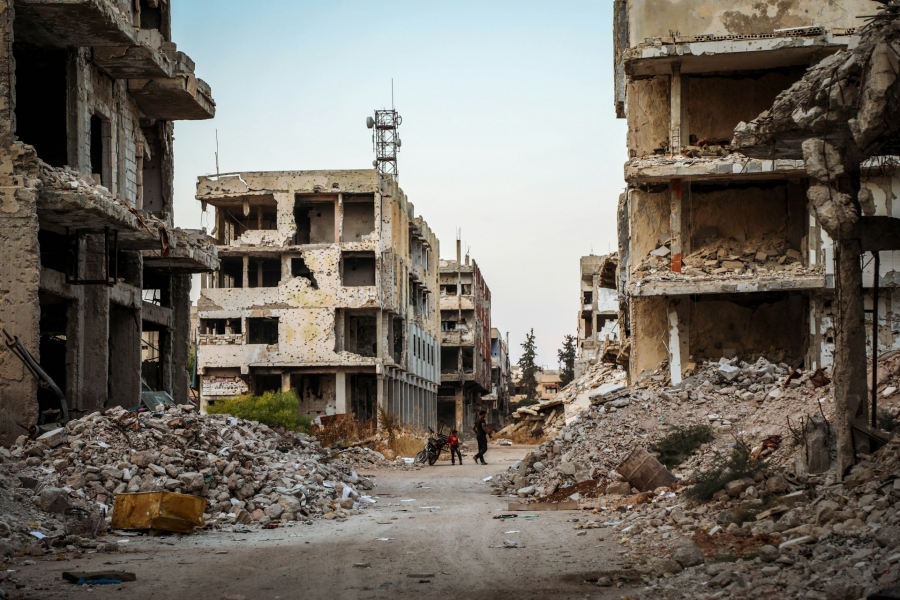
According to a statement from the US State Department, the mechanism will facilitate diplomatic engagement through a dedicated communication channel, a welcomed development after months of escalation triggered by recurring Israeli incursions on Syrian soil. In July, airstrikes were reported near the presidential palace in Damascus, damaging the Defense Ministry, killing three people and injuring at least 34 civilians. In November 2025, at least 13 people, including two children, were killed and 25 injured following another incursion in the Damascus countryside.
On the Syrian side, the main objective of the deal is to bring back into force the Disengagement Agreement of 1974, to ensure the withdrawal of Israeli forces, and guarantee full Syrian sovereignty, preventing any form of interference in its internal affairs.
Israel, in turn, sees it as an opportunity to rein in the government in Syria, which it perceives as a threat to its national security. Some analysts, however, frame the agreement as part of a larger strategy by Israel to keep its neighbour weak, while also countering growing Turkish influence in the region.
A central issue is represented by the Druse minority, a point of contention between both countries. The strikes launched in July in Damascus, in fact, took place soon after deadly clashes between government security forces and Druse militias in Southern Syria.
Importantly, the United States also identified a number of potential positive outcomes that could benefit them as a result of the agreement. For one, the statement from the State Department emphasised how the deal could be used to advance commercial opportunities. Additionally, Washington recognises a stable Syria as a key partner in the region, against the Islamic State and most importantly to counter Iranian influence.
Despite some cautious optimism, there are doubts about the effective success of the mechanism. A Syrian official requested an enforced timeline for Israel’s withdrawal from Syrian territories as a non-negotiable step before proceeding with other strategic files. Damascus is closely monitoring the implementation of a similar deal between Israel and Lebanon that, despite the supervision of France and the United States, has not stopped Israeli attacks on its neighbour.

